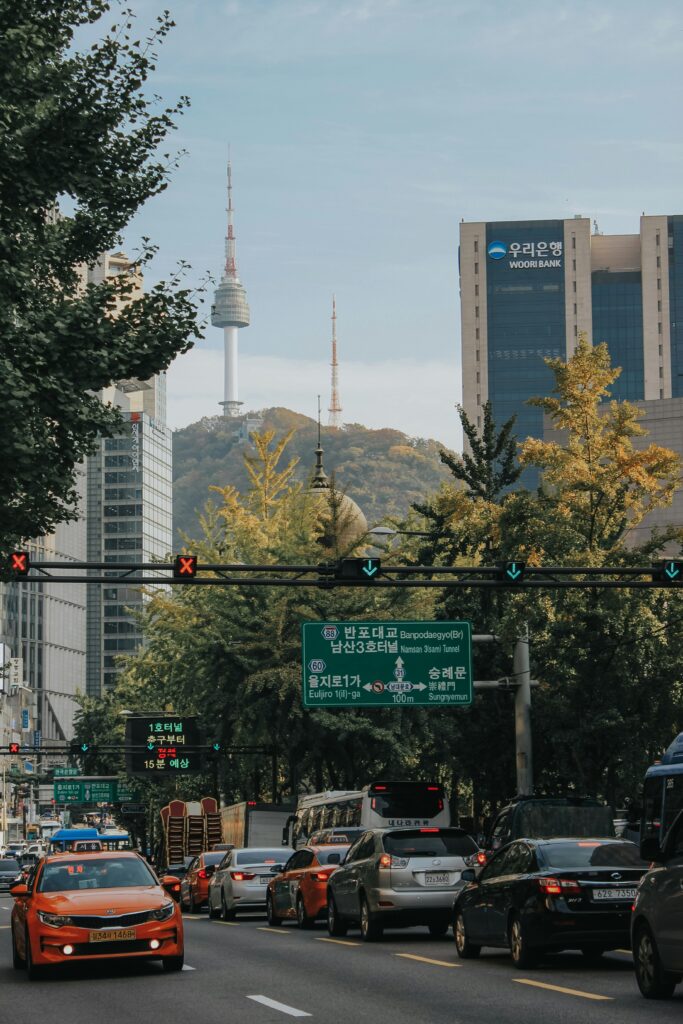
Seoul, the capital of South Korea, is a dynamic city where ancient traditions and modern life coexist in perfect harmony. From royal palaces and traditional markets to K-pop culture and cutting-edge technology, Seoul offers travelers a rich and unforgettable experience.
🏯 1. History and Heritage
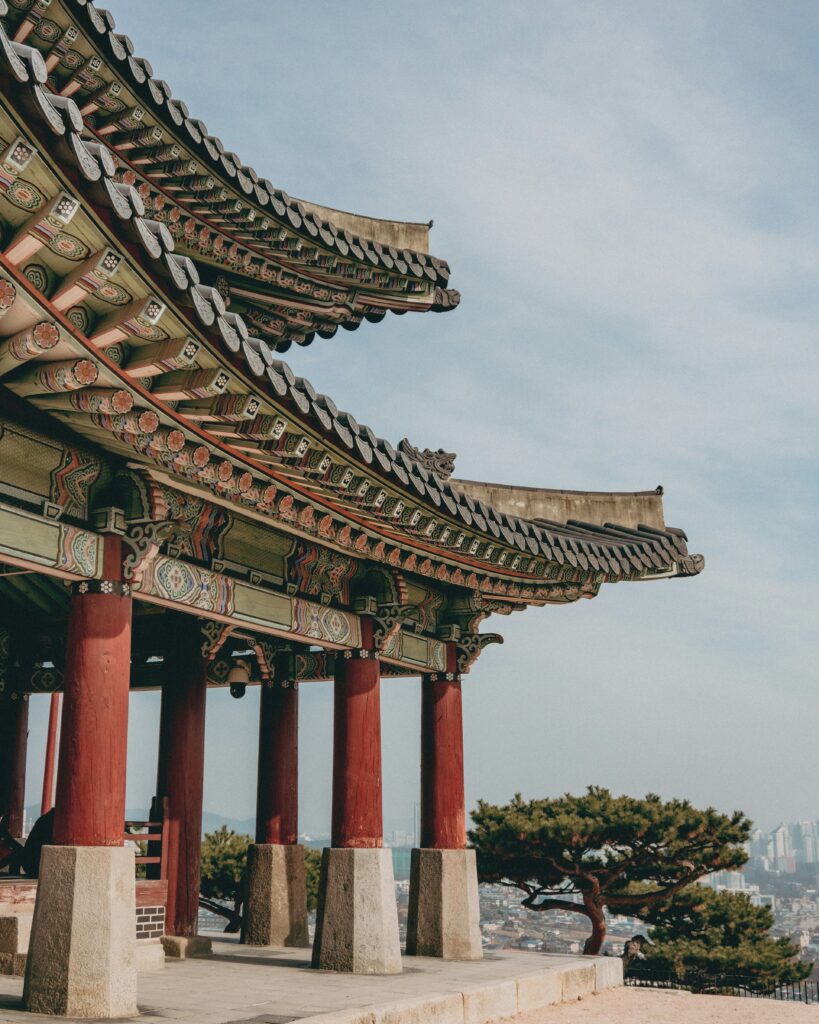
Seoul’s long history stretches back over 600 years. As the capital of the Joseon Dynasty (1392–1897), it is home to some of Korea’s most important historical landmarks.
• Gyeongbokgung Palace
Built in 1395, Gyeongbokgung is the largest and most famous palace in Seoul. Don’t miss the Changing of the Guard Ceremony, held several times a day. You can rent hanbok (traditional clothing) nearby for free entry and great photos.
• Changdeokgung Palace & Secret Garden
A UNESCO World Heritage Site known for its harmony with nature. The Huwon (Secret Garden) is one of the most tranquil spots in the city.
• Deoksugung Palace
Located near Seoul City Hall, this palace uniquely blends traditional Korean architecture with Western-style buildings from the early 20th century.
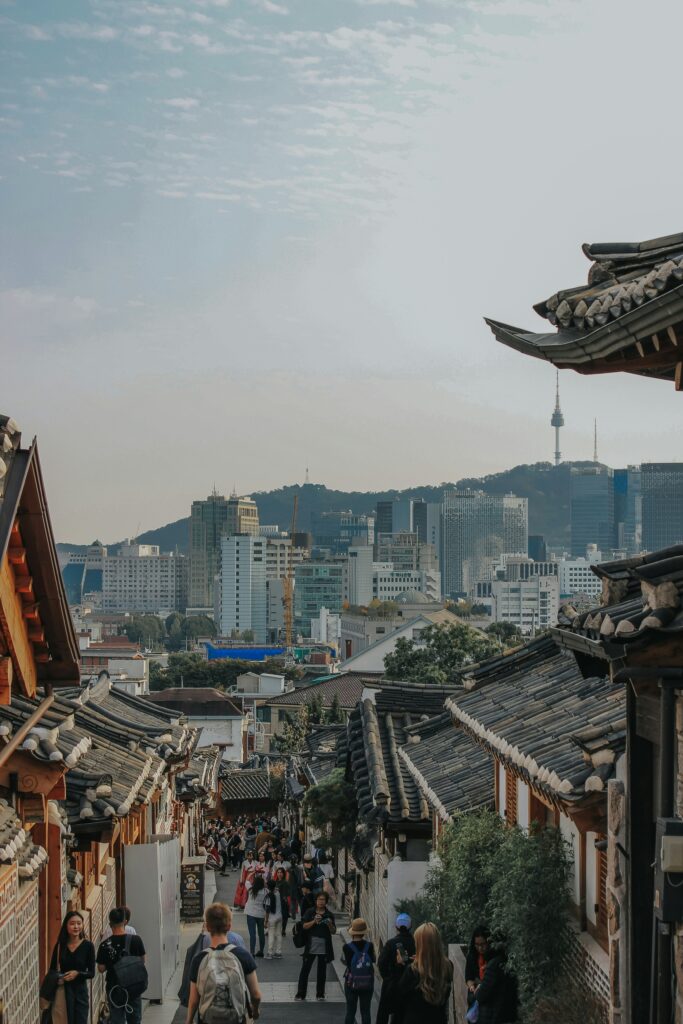
• Bukchon Hanok Village
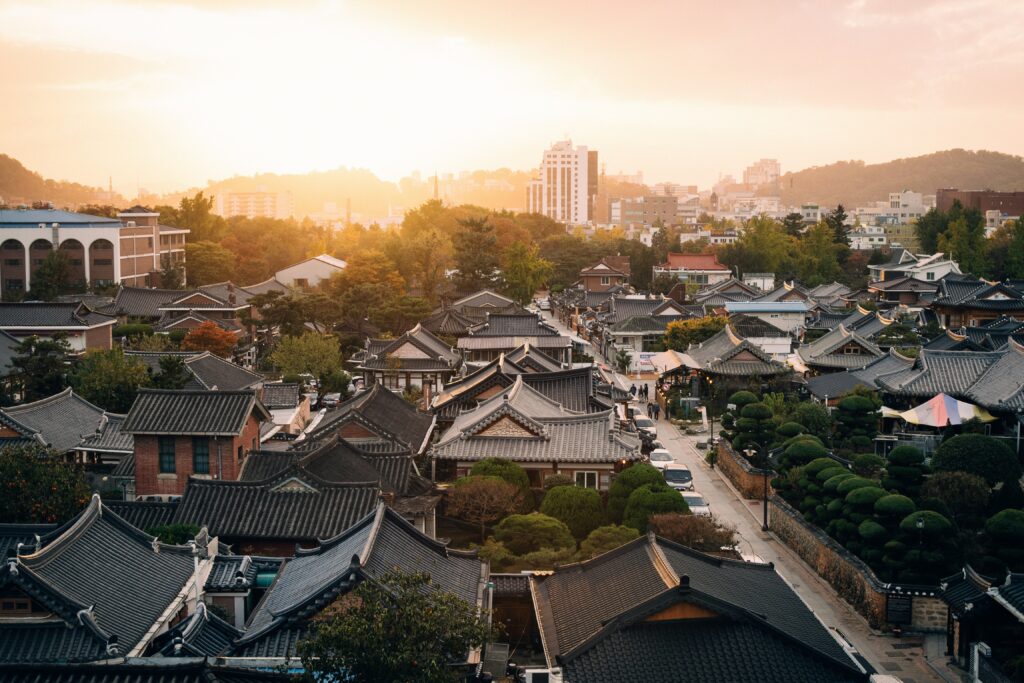
Between Gyeongbokgung and Changdeokgung lies Bukchon, a neighborhood filled with traditional hanok houses, art galleries, and tea shops — perfect for a quiet walk through old Seoul.
🌆 2. Modern Seoul
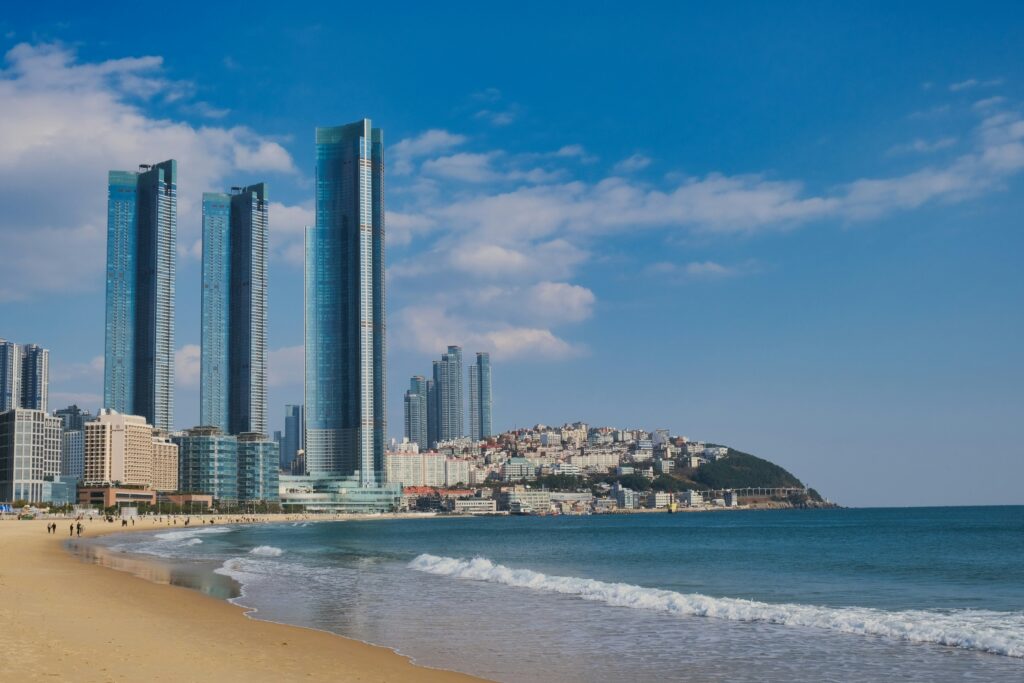
Seoul is also one of Asia’s most modern and vibrant metropolises.
• Myeongdong
The ultimate shopping and street food district. Try tteokbokki (spicy rice cakes), hotteok (sweet pancakes), and shop for the latest K-beauty products.
• Gangnam
Famous for luxury shopping, stylish cafés, and K-pop culture. The COEX Mall and Starfield Library are must-visit landmarks.
• Hongdae
A youthful area known for live music, street performances, and independent art. Perfect for nightlife, shopping, and creative inspiration.
• Itaewon
The most international district in Seoul. Enjoy global cuisines, trendy bars, and a lively night scene. Ideal for meeting travelers from around the world.
🌿 3. Nature and Relaxation
Despite its fast-paced energy, Seoul has many peaceful places to unwind.
• Namsan Seoul Tower (N Seoul Tower)
Located on Namsan Mountain, it offers the best panoramic view of Seoul, especially at sunset or night. Don’t forget to check out the “Locks of Love” area.
• Hangang River Parks
The Han River flows through the heart of Seoul, surrounded by parks where locals picnic, bike, and enjoy the skyline. You can even rent a bicycle or take a river cruise.
• Seoul Forest
A large eco-park featuring walking trails, deer enclosures, and art installations — a green escape in the middle of the city.
🍜 4. Food and Local Cuisine
Korean cuisine is a highlight of any trip to Seoul.
- Gwangjang Market: One of the oldest traditional markets, famous for bindaetteok (mung bean pancakes) and mayak gimbap.
- Namdaemun Market: Great for snacks, souvenirs, and local food stalls.
- Tongin Market: Try the “dosirak lunchbox café” where you fill a lunch tray with various Korean side dishes using traditional coins.
- Don’t miss Korean BBQ, bibimbap, and samgyeopsal (grilled pork belly) at local restaurants.
🕍 5. Culture and Experiences
- Korean Folk Village (Yongin, near Seoul): Experience traditional performances and Joseon-era village life.
- Namsangol Hanok Village: A restored collection of old houses showing life in historic Seoul.
- K-Pop & Hallyu: Visit SM Town, HYBE Insight, or take a K-pop dance class for fans of Korean music.
- Traditional Tea Houses in Insadong and Bukchon offer a quiet escape from the busy streets.
🚌 6. Transportation Tips
Seoul’s public transportation system is one of the most efficient in the world.
- Subway: 23 lines, clear English signs, and T-money cards accepted everywhere.
- Buses: Color-coded routes covering the entire city.
- Taxis: Affordable and widely available (apps like Kakao T support English).
- Airport Access: The AREX train connects Incheon Airport to Seoul Station in under an hour.
📅 7. Best Time to Visit
- Spring (March–May): Cherry blossoms and mild weather.
- Summer (June–August): Hot but lively with festivals and river activities.
- Autumn (September–November): Best season for travel — cool air and colorful foliage.
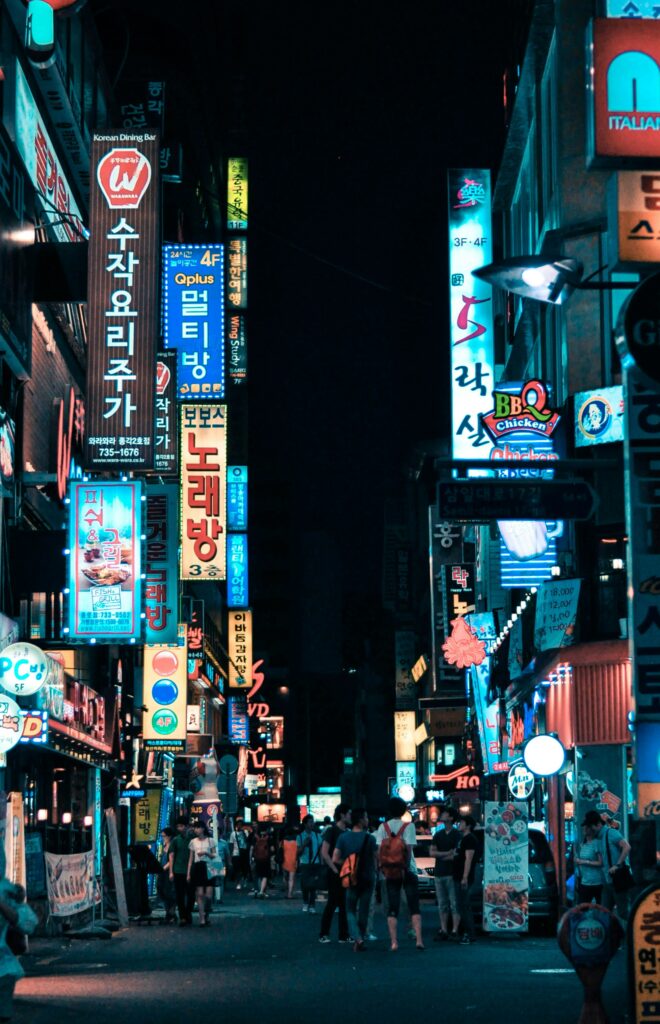
- Winter (December–February): Ideal for enjoying Korean street food and night lights.
🏨 8. Accommodation
From luxury hotels to budget guesthouses, Seoul offers options for every traveler:
- Luxury: The Shilla Seoul, Lotte Hotel, Signiel Seoul (in Lotte World Tower)
- Mid-range: Four Points by Sheraton, Nine Tree Hotel
- Budget: Hongdae guesthouses, capsule hotels, or Airbnbs near subway lines
💡 9. Travel Tips
- Download Naver Map or KakaoMap (more accurate than Google Maps in Korea).
- Use T-money cards for subway, buses, and convenience stores.
- Free Wi-Fi is available almost everywhere.
- Learn a few Korean phrases — locals appreciate it!
- Annyeonghaseyo (Hello)
- Kamsahamnida (Thank you)
❤️ 10. Final Thoughts
Seoul is a city of contrasts — royal palaces beside skyscrapers, street food stalls under neon lights, and peaceful mountains overlooking one of the world’s most high-tech capitals.
It’s a destination that represents the spirit of modern Korea: fast-moving, creative, and deeply rooted in tradition.
Whether you visit for culture, food, shopping, or just the energy of the city, Seoul will stay in your heart long after you leave.