Introduction
Located in the southwest of South Korea, Jeonju is a city where Korea’s rich history, culture, and flavors come alive. Often called the cultural capital of Korea, Jeonju beautifully blends tradition and modernity — from its centuries-old hanok villages to its trendy cafés and art streets.
Recognized by UNESCO as a Creative City of Gastronomy, Jeonju is also the birthplace of bibimbap, one of Korea’s most iconic dishes. If you’re looking for a destination that captures the true spirit of Korea — warm people, vibrant culture, and unforgettable food — Jeonju is the place to be.
1. Jeonju Hanok Village
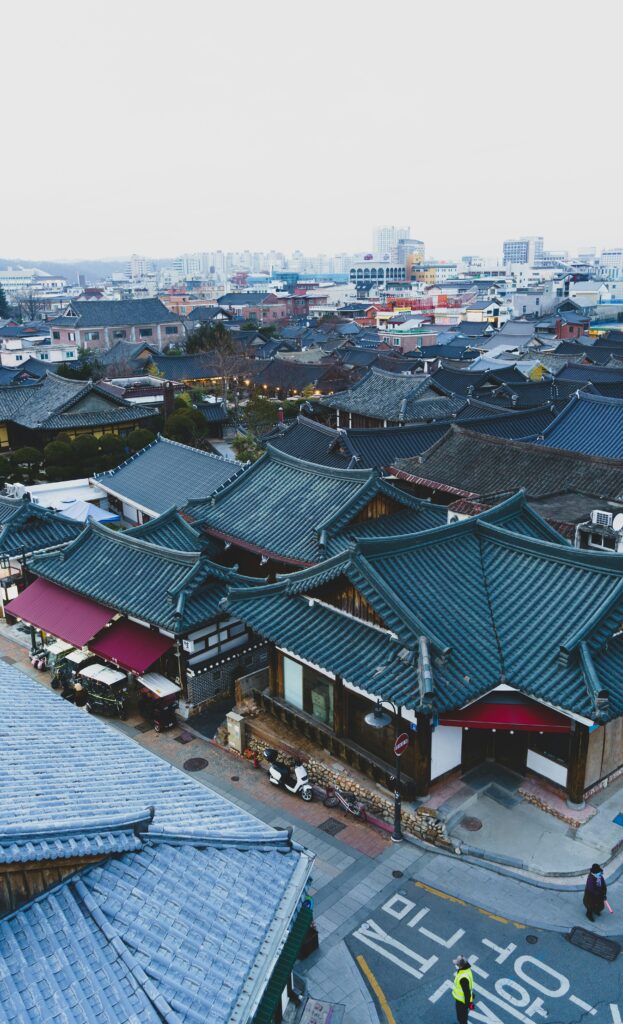
The heart and soul of Jeonju. With over 800 traditional Korean houses (hanok), Jeonju Hanok Village is a living museum where history meets harmony.
What to Do Here
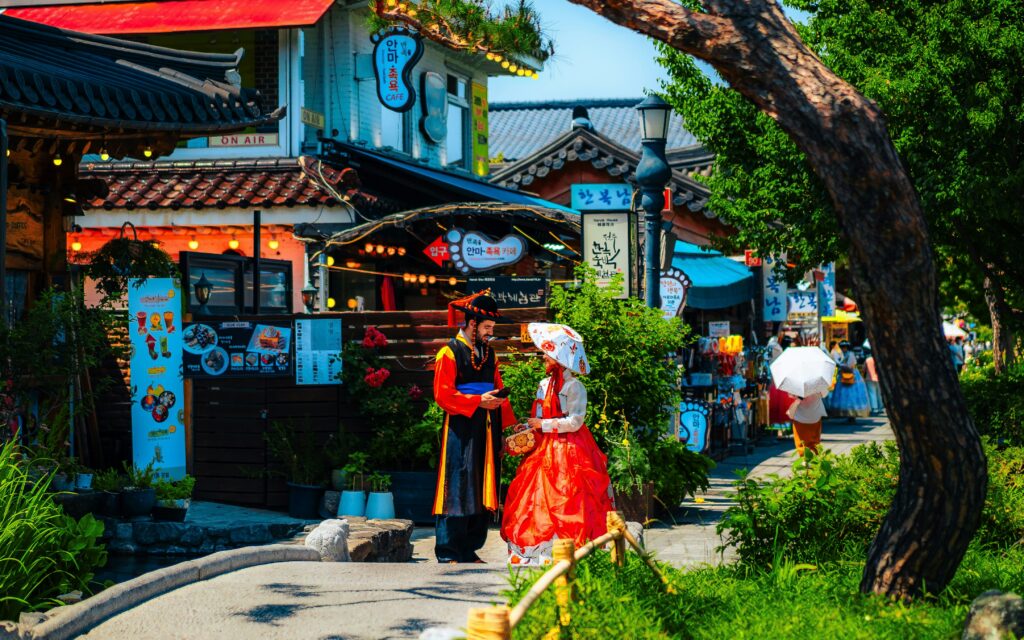
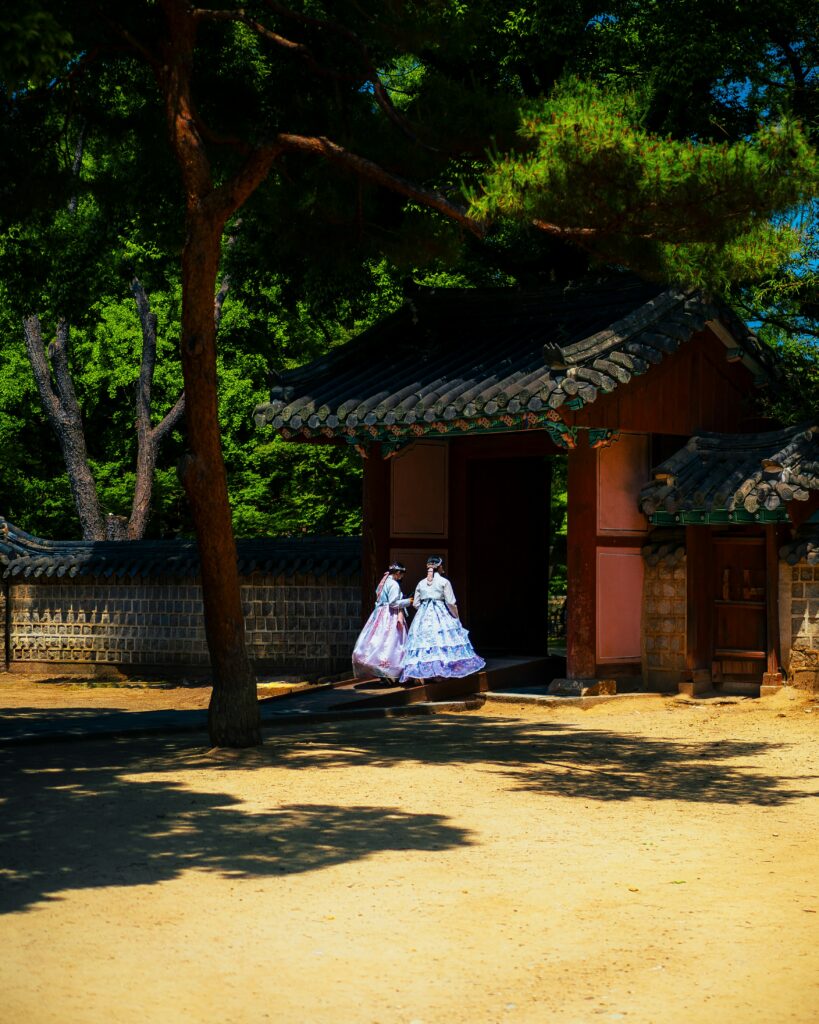
- Wear a Hanbok: Rent a colorful traditional Korean dress and stroll through the alleys — perfect for photos.
- Visit Gyeonggijeon Shrine: Built in 1410, it enshrines the portrait of King Taejo, founder of the Joseon Dynasty.
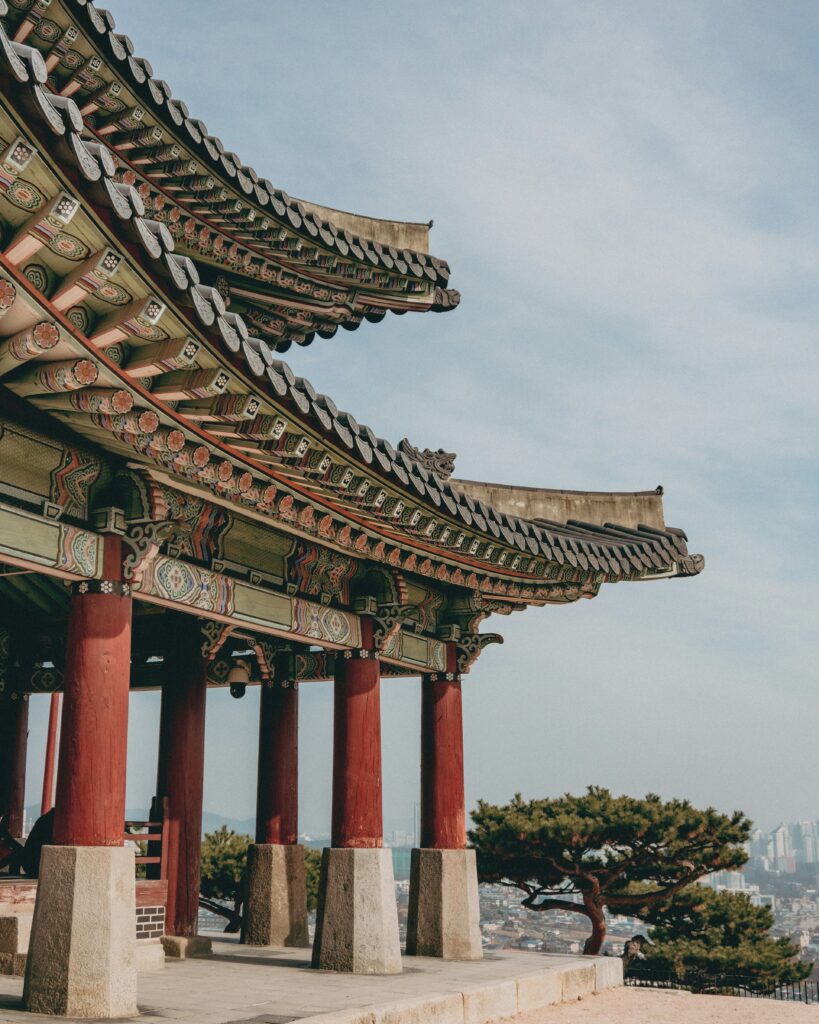
- Explore Omokdae Pavilion: A scenic viewpoint offering panoramic views of the village.
- Taste Local Snacks: Try Jeonju’s famous choco pies, makgeolli (rice wine), and handmade tteok (rice cakes).
The Atmosphere
During the day, the village buzzes with visitors exploring tea houses and artisan shops. At night, the tiled roofs glow under lantern light, creating a peaceful, nostalgic scene.
2. Jeonju’s Famous Food
Jeonju is a food lover’s paradise and a must-visit for anyone who wants to experience authentic Korean flavors.
Jeonju Bibimbap
The city’s signature dish — a colorful bowl of rice topped with vegetables, beef, egg, and spicy gochujang (red chili paste). It’s not just food; it’s art in a bowl.
Jeonju Makgeolli
Jeonju is famous for its makgeolli (Korean rice wine) taverns, where guests share large kettles of makgeolli with small plates of delicious side dishes. It’s a fun, social experience unique to Jeonju.
Street Food
Walk along Pungnammun Gate Street and you’ll find vendors selling Korean pancakes (jeon), skewers, hotteok (sweet pancakes), and handmade ice cream.
3. Culture and Traditions
Hanji (Traditional Paper)
Jeonju is known as the birthplace of Hanji, Korea’s traditional handmade paper made from mulberry trees. Visit the Jeonju Hanji Museum or Hanji Craft Workshop to try making your own paper.
Festivals
- Jeonju International Film Festival (JIFF): One of Korea’s biggest film festivals, held every spring, celebrating independent and global cinema.
- Jeonju Bibimbap Festival: A fun, food-filled celebration of Jeonju’s culinary heritage.
- Jeonju Hanji Culture Festival: Highlights traditional crafts, performances, and workshops.
Traditional Music & Art
You can enjoy pansori (Korean narrative singing) performances at local theaters or open-air stages around the Hanok Village.
4. Attractions Beyond the Hanok Village
Deokjin Park
Famous for its large lotus pond and romantic walking paths, especially beautiful in summer when lotus flowers bloom.
Jeondong Catholic Cathedral
Located near Hanok Village, this stunning red-brick cathedral combines Romanesque and Byzantine architecture and represents Jeonju’s religious history.
Pungnammun Gate
The only remaining gate of the old Jeonju Fortress, symbolizing the city’s resilience and history.
Nambu Market
A vibrant traditional market offering local produce, street food, and crafts. Visit at night for the Youth Mall, where local artists and chefs sell creative products in reimagined market stalls.
5. Modern Jeonju: Cafés, Art, and Nightlife
While Jeonju is steeped in tradition, it’s also full of youthful energy.
- Gaekridan-gil: A hip street filled with indie cafés, craft beer bars, and vintage shops — Jeonju’s version of Seoul’s Hongdae.
- Jeonju Art Street: Galleries, murals, and handmade crafts line the alleyways.
- Makgeolli Houses: Perfect for ending the day with friends, food, and laughter.
6. Where to Stay
- Hanok Stays: For an authentic experience, stay overnight in a traditional hanok guesthouse. The wooden architecture and paper doors create a peaceful atmosphere.
- Boutique Hotels: Around Gaekridan-gil or the city center — modern, stylish, and convenient.
- Budget Options: Hostels and guesthouses are available near the Hanok Village for solo travelers.
7. Travel Tips
- Getting There:
- From Seoul: 1.5–2 hours by KTX train (Jeonju Station).
- From Busan: 3.5 hours by bus or train.
- Best Time to Visit:
- Spring: Cherry blossoms and festivals.
- Autumn: Cool weather and colorful leaves.
- Getting Around:
- The Hanok Village area is walkable. Use local buses or taxis for longer trips.
- Language Tip:
- English is limited, but locals are very friendly and eager to help.
8. Why You’ll Love Jeonju
Jeonju is not a city you just visit — it’s a place you feel.
Every alley tells a story, every meal feels like home, and every smile welcomes you like family. Whether you’re sipping tea in a hanok, taking photos in hanbok, or sharing makgeolli with new friends, Jeonju captures the warmth and charm of Korea itself.
Final Thoughts
For travelers seeking an authentic Korean experience — culture, food, history, and heart — Jeonju is a destination you can’t miss.
It’s where the past meets the present, and where every moment feels timeless.