Introduction to Gyeongju
Gyeongju, located in Gyeongsangbuk-do, South Korea, is widely known as a living museum due to its extensive historical heritage, which reflects the ancient Silla Kingdom that ruled the region for nearly a thousand years, shaping the culture, architecture, and societal structures that visitors can observe today through numerous temples, royal tombs, and relics that remain remarkably well-preserved, providing a tangible connection to Korea’s past while modern amenities ensure comfort for travelers seeking both historical immersion and convenience. The city’s natural beauty, including rivers, mountains, and scenic landscapes, complements its cultural significance, offering a balanced experience where history and nature intersect harmoniously, attracting historians, tourists, and photographers alike. Exploring Gyeongju allows visitors to witness the legacy of one of Korea’s most influential kingdoms and gain insight into the nation’s development and cultural evolution over centuries.
Historical Landmarks of Gyeongju
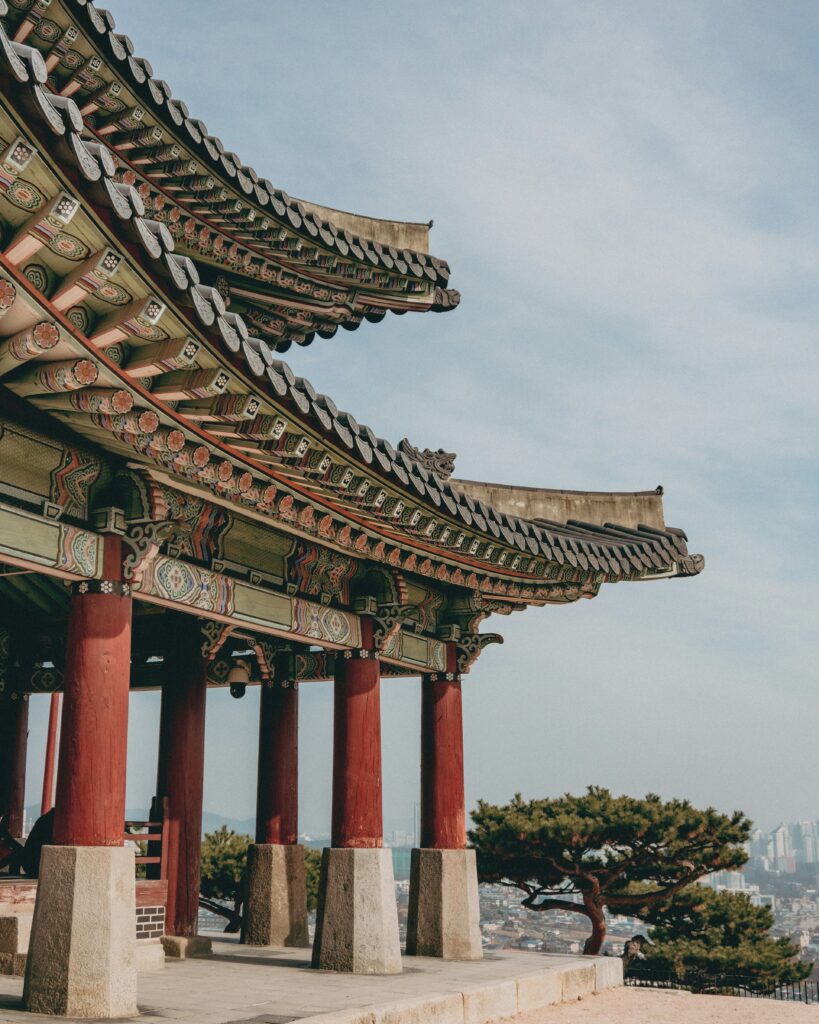
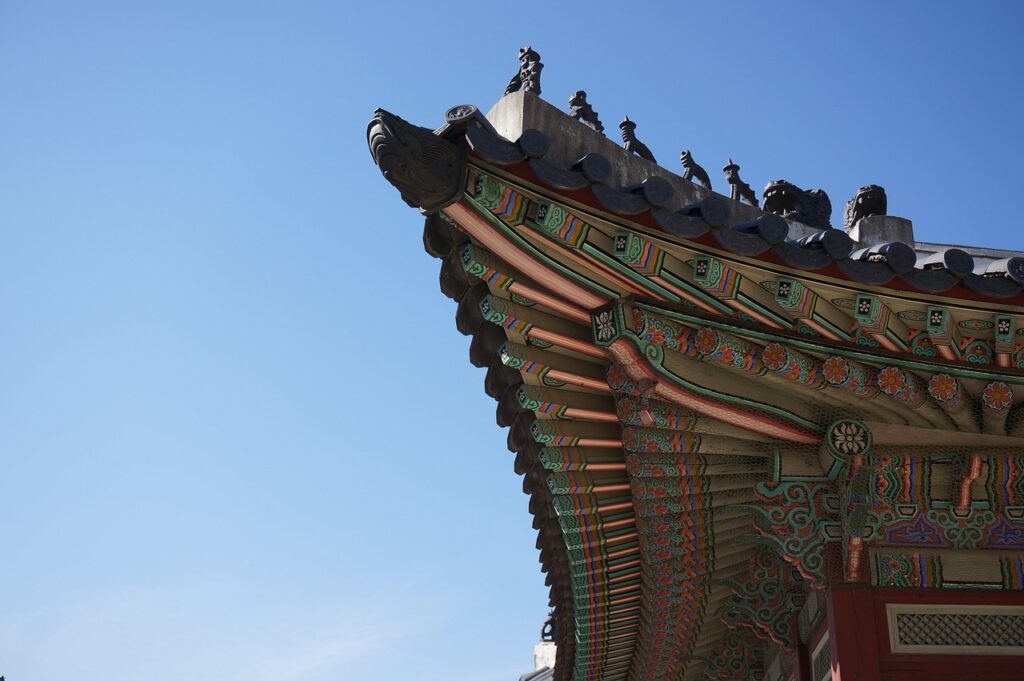
Gyeongju hosts a remarkable collection of historical landmarks that showcase its Silla heritage. Bulguksa Temple, a UNESCO World Heritage Site, exemplifies traditional Korean Buddhist architecture with intricate stone carvings, wooden structures, and surrounding forests that enhance its serene atmosphere. Seokguram Grotto, another UNESCO site, houses a monumental Buddha statue, demonstrating advanced engineering and artistry from the Silla period. Cheomseongdae Observatory, among the oldest astronomical observatories in East Asia, reflects the scientific achievements of ancient Korea. Royal tombs, including Daereungwon Tomb Complex, provide insight into Silla burial practices and royal customs. The Gyeongju National Museum offers extensive artifacts such as pottery, jewelry, and ceremonial items, allowing visitors to engage with tangible pieces of history. Each landmark tells unique stories of governance, religion, and daily life during the Silla era. Preservation efforts ensure authenticity while educating future generations about the city’s spiritual and cultural importance.
Cultural Experiences and Festivals
Gyeongju presents vibrant cultural experiences and festivals year-round, offering immersive activities that celebrate its rich heritage. The Gyeongju Cherry Blossom Festival in spring draws thousands to witness streets and parks blooming with pink and white flowers, complemented by traditional music and dance performances in open-air stages, creating a lively and picturesque environment. Visitors can participate in workshops that teach Korean crafts, calligraphy, and pottery, enhancing understanding of local traditions. The Silla Cultural Festival reenacts royal ceremonies with participants wearing traditional costumes and performing ancient rituals, bringing history to life. Local markets offer handicrafts, souvenirs, and authentic Silla cuisine, such as ssambap, a rice dish wrapped in fresh vegetables. Nighttime events illuminate historical sites, creating magical experiences for visitors. Museums provide interactive exhibits on Silla art, religion, and daily life. These cultural activities, combined with architecture, performances, and culinary experiences, allow travelers to engage deeply with Korean heritage while enjoying educational entertainment suitable for all ages. Community-led programs further encourage hands-on participation, making Gyeongju both a historical museum and a living cultural hub for visitors seeking memorable experiences.
Traditional performances also include court dances and martial arts demonstrations that convey historical narratives. Folk storytelling sessions highlight Silla legends and myths, connecting modern audiences to ancient folklore. Culinary tours allow visitors to taste seasonal and regional specialties, while local art galleries showcase contemporary interpretations of historical themes. Each festival, workshop, or exhibition emphasizes education, engagement, and preservation of local culture. Travelers often gain a profound appreciation for Korea’s artistic, spiritual, and cultural legacy. By blending immersive experiences with historical authenticity, Gyeongju ensures visitors leave with both knowledge and memorable experiences. This integration of history and living culture solidifies the city’s reputation as a destination that educates, entertains, and inspires travelers from around the world.
Natural Attractions and Outdoor Activities
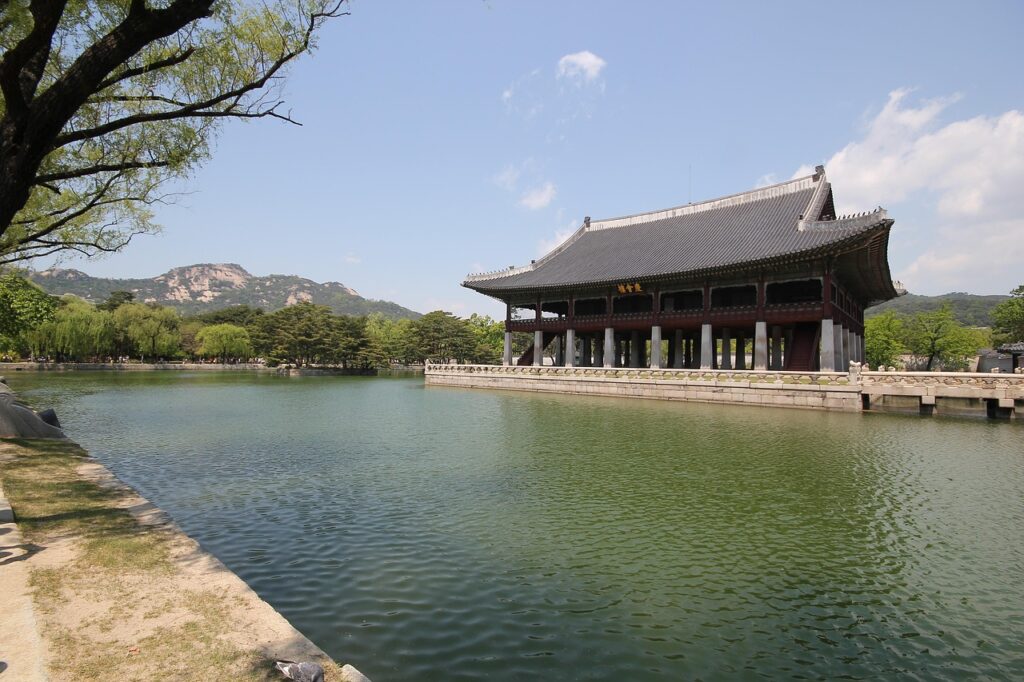
Gyeongju’s natural landscapes provide excellent opportunities for outdoor exploration, complementing its historical and cultural appeal. Bomun Lake offers walking paths, bike trails, and boat rentals, making it ideal for leisurely activities amid scenic surroundings. Namsan Mountain features ancient stone carvings and hidden temples, offering both spiritual and physical engagement for hikers. Cheonmachong Tomb and surrounding parks provide quiet spaces for reflection and relaxation. Seasonal changes, such as vibrant autumn foliage, enhance the visual beauty of these areas, attracting photographers and nature enthusiasts alike. Visitors can enjoy picnics, meditation, and casual photography in tranquil settings, while golf courses and traditional tea houses offer leisurely alternatives. River valleys and small streams provide peaceful escapes from the city center. Trails are generally suitable for beginners and families, ensuring accessibility for all. The combination of natural scenery and historical significance creates a unique environment where visitors can appreciate Korea’s heritage alongside its picturesque landscapes, blending adventure, reflection, and cultural exploration seamlessly into a single visit.
Travel Tips and Local Insights
To maximize the Gyeongju experience, visitors should plan carefully. Spring and autumn provide the most pleasant weather and seasonal scenery. Accommodation options range from traditional hanok stays to modern hotels. Public transport and rental bicycles make exploring the city convenient. Learning basic Korean phrases enhances interactions with locals. Sampling Gyeongju cuisine, including specialties like hwangnam bread and traditional teas, enriches the cultural experience. Walking tours reveal historical neighborhoods, hidden sites, and architectural gems. Many landmarks offer English audio guides or explanations for international tourists. Early visits to popular attractions help avoid crowds and ensure optimal photography opportunities. It is recommended to include a balanced mix of historical, cultural, and natural sites in itineraries. Evening strolls showcase illuminated temples and quiet streets. Respecting local customs, supporting artisans at markets, and practicing sustainable tourism are encouraged. Careful planning ensures a seamless visit, leaving travelers with lasting memories of Gyeongju’s history, culture, and natural beauty. Every trip reveals new insights, making it a destination worth repeated visits.