1. Introduction to Ganjang Gejang
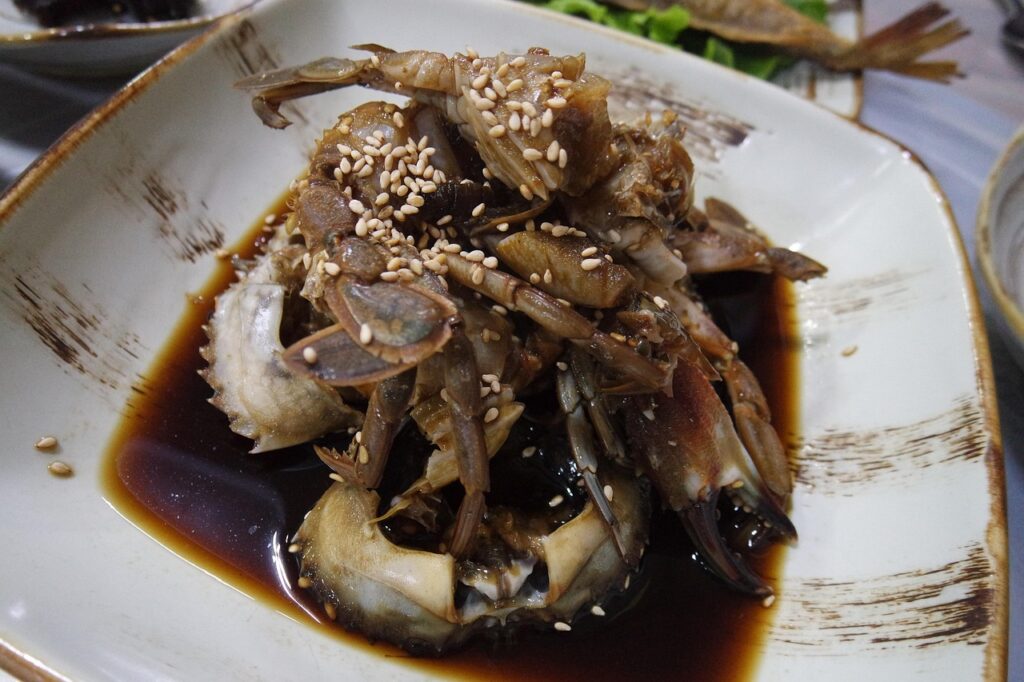
Ganjang Gejang, a beloved Korean delicacy often referred to as “the rice thief,” is a dish that captivates food lovers with its deep umami flavor and silky texture, and it is traditionally prepared using raw blue crabs marinated in rich soy sauce, allowing the natural sweetness of the crab to harmonize with the savory depth of the marinade. This dish has been enjoyed for generations in Korea, where coastal communities developed various preservation techniques that relied on salt and soy-based brines to keep seafood fresh, eventually leading to the refined marination process recognized today. While modern interpretations of Ganjang Gejang can be found in restaurants across Korea, many families still follow traditional practices that emphasize freshness, patience, and meticulous attention to detail. As a result, this dish remains a significant representation of Korean culinary heritage, reflecting the balance of flavor, craftsmanship, and cultural pride.
2. The Traditional Marination Process
The preparation of Ganjang Gejang is defined by a carefully timed marination process that preserves the crab while enhancing its flavor, beginning with the selection of exceptionally fresh crabs that are thoroughly cleaned before being submerged in a seasoned soy sauce mixture that typically includes aromatics such as garlic, ginger, peppers, and other optional regional additions designed to deepen the complexity of the marinade. After the crab rests in this mixture for three days, the soy sauce is removed, boiled to eliminate impurities and intensify its flavor, and then poured back over the crab, initiating a second three-day resting period that ensures both safety and depth of taste. This method allows the marinade to penetrate the crab gradually without overwhelming its natural sweetness, which results in a balanced interplay of briny, savory, and subtly sweet notes that highlight the essence of the seafood itself. Throughout this process, tradition and technique are equally important, making it a distinctive culinary art.
3. Flavor Profile and Culinary Appeal
One of the most striking characteristics of Ganjang Gejang is its uniquely layered flavor profile, which blends raw crab’s inherent sweetness with the bold savoriness of soy sauce, creating a harmonious result that has earned a devoted following among both Korean diners and adventurous food enthusiasts around the world. The texture of the crab, soft and almost buttery, combines with the marinade in a way that coats the palate thoroughly, delivering a rich and lingering taste experience that encourages slow, appreciative eating. Many first-time tasters are surprised by the depth of flavor created through such a simple process, yet the dish’s elegance lies precisely in the restraint and patience required during preparation, which allows each element to shine naturally without unnecessary embellishment.
The dish is often enjoyed with freshly steamed rice, as the combination helps balance the concentrated flavors and creates a satisfying contrast between warm grains and cool marinated crab. While Ganjang Gejang may appear intense due to its raw nature and bold seasoning, its appeal is broader than expected because the soy-based marinade mellows the crab’s raw brininess while elevating its natural sweetness, resulting in a dish that feels refined rather than overwhelming. This distinctive quality has made it one of Korea’s most iconic seafood specialties, treasured for its complexity, cultural value, and ability to reveal the nuanced interplay between ocean ingredients and traditional Korean seasoning techniques.
4. Serving Methods and Pairings
Ganjang Gejang is typically served in its marinated state alongside rice, seaweed, and simple side dishes, allowing diners to enjoy its concentrated flavors without distraction, and one of the most common ways to eat it involves mixing the crab’s soft interior with rice to create a richly flavored bite that showcases the dish’s signature balance of sweetness and saltiness. Some variations incorporate a spoonful of marinated crab roe, which introduces a creamy richness that further deepens the dish’s complexity, making each mouthful more indulgent without sacrificing the delicate harmony that defines traditional Korean cuisine.
Restaurants that specialize in Ganjang Gejang often provide accompaniments such as fresh vegetables, mild soups, and lightly seasoned banchan, each chosen to contrast the powerful umami of the marinated crab while keeping the overall meal balanced and enjoyable. While the dish itself is robust and flavorful, it pairs best with simple sides that allow its craftsmanship to remain the focal point, reflecting the cultural emphasis on harmony and restraint in Korean dining. These thoughtful pairings enhance the experience without overshadowing the star ingredient, ensuring that each serving honors both tradition and taste.
5. Cultural Significance
Beyond its flavor, Ganjang Gejang holds cultural significance as a dish rooted in tradition, craftsmanship, and regional heritage, representing the ingenuity of Korean coastal communities that developed marination techniques to preserve seafood while enhancing its natural qualities. Today it stands as both a nostalgic comfort food and a celebrated culinary specialty, cherished for its history and enduring connection to Korean identity.