1. Introduction to Gangjeong
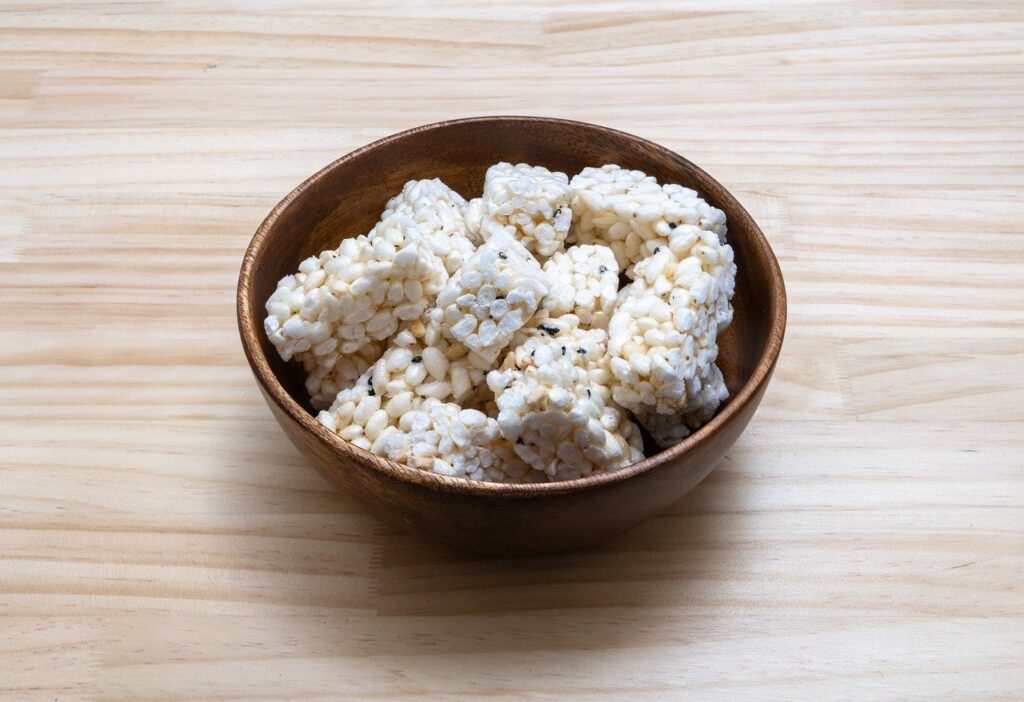
Gangjeong is a traditional Korean sweet treat made from sweet rice flour and liquor. It is a cultural dessert often enjoyed during festivals and celebrations. These treats are known for their light, hollow interior and delicate sweetness. They have been passed down through generations, representing Korean culinary tradition and artistry. Each piece is carefully shaped and prepared with attention to texture and flavor. Gangjeong offers a unique combination of crispiness and subtle sweetness. It is a snack that appeals to both children and adults. Historically, Gangjeong was served as an offering during important ceremonies. Today, it remains popular in both homes and specialty dessert shops. Its preparation involves multiple steps, ensuring quality and consistent taste. The treat also highlights the traditional use of natural ingredients. It is often enjoyed with tea or as a festive dessert. Its timeless appeal keeps Gangjeong relevant in modern Korean cuisine.
2. The Traditional Preparation Process
The making of Gangjeong begins with sweet rice flour and a small amount of liquor. The mixture is kneaded to create a pliable dough. It is then cut into various shapes, often geometric or symbolic forms. After shaping, the dough is dried in the shade to preserve its texture. Once dried, the pieces are deep-fried in oil until crispy and golden. This step requires careful temperature control to prevent burning. After frying, the treats are coated with honey or syrup to add sweetness. Additional toppings such as black beans, sesame seeds, cinnamon, pine nuts, or black sesame enhance the flavor and texture. The final product is slightly hollow inside, providing a light, airy bite. Each piece is carefully inspected for consistency. This meticulous process ensures that Gangjeong remains a high-quality traditional treat. Many families continue to follow this preparation method for authenticity and taste.
3. Flavor Profile and Textural Experience
Gangjeong provides a balanced taste that combines sweetness with subtle nutty notes. The outer coating of honey or syrup gives a glossy finish and gentle sweetness. Sesame seeds, black beans, pine nuts, or cinnamon provide crunch and aroma. The hollow interior creates a light and airy bite. This texture contrast makes the treat enjoyable and delicate. The flavor of sweet rice flour is mild yet distinct. It blends seamlessly with honey and spices. The liquor in the dough adds a subtle depth without overpowering the sweetness. Each bite provides a combination of crispy exterior and tender interior. Gangjeong is not overly sweet, making it suitable for different palates. Its flavor complexity appeals to those who enjoy traditional desserts. The treat pairs well with green or herbal tea. Its taste evokes nostalgia and cultural heritage. The combination of ingredients creates a harmonious, multi-layered experience. Gangjeong remains a favorite in both casual and ceremonial settings. Its careful preparation ensures that every bite maintains its signature texture and flavor.
The use of natural ingredients emphasizes the traditional essence of the treat. Nuts, seeds, and spices not only enhance flavor but also offer visual appeal. Each color and texture is carefully considered during preparation. The balanced sweetness ensures it can be enjoyed throughout the day. Gangjeong’s versatility allows it to complement other desserts or stand alone. Its texture encourages slow, mindful eating, highlighting the craftsmanship behind the treat. Traditional Gangjeong is often slightly larger and irregular, reflecting handmade authenticity. Modern variations may include smaller, uniform pieces for convenience. Despite these differences, the core flavor and textural experience remain consistent. Gangjeong continues to delight both locals and visitors exploring Korean culinary culture. It exemplifies careful technique, natural ingredients, and traditional flavors.
4. Serving and Cultural Significance
Gangjeong is traditionally served during Korean festivals and ceremonial events. It is often presented on decorative plates or in gift boxes. Families offer it as part of ancestral rites or festive meals. The treat symbolizes sweetness, prosperity, and celebration. Its preparation reflects patience and respect for tradition. Serving Gangjeong is often a communal activity, where multiple people participate in shaping and frying. This strengthens social bonds and preserves culinary heritage. In modern times, Gangjeong is also popular in cafes and dessert shops. It is frequently packaged for gifts during holidays or special occasions. The visual appeal, flavor, and aroma make it a memorable treat for guests. Gangjeong’s cultural role extends beyond taste, serving as a symbol of Korean identity. Traditional techniques and ingredients emphasize respect for heritage. Its continued popularity demonstrates the enduring value of handmade, artisanal desserts. Gangjeong embodies both flavor and cultural significance, making it an integral part of Korean culinary tradition.
Many families maintain their unique recipes, adding personal touches while respecting tradition. Seasonal ingredients or locally sourced nuts may be used. These subtle variations highlight regional diversity and creativity. Festivals often feature large quantities, showcasing communal skill. Gangjeong is also part of modern fusion desserts. Its crisp texture and sweet coating inspire new culinary experiments. Despite innovations, traditional Gangjeong remains highly respected. Its timeless preparation and flavors continue to captivate audiences. Sharing Gangjeong strengthens family and community connections. It is both a treat and a cultural bridge between generations.
5. Modern Appeal and Conclusion
Gangjeong remains popular in contemporary Korean cuisine. It appeals to those who enjoy traditional flavors. Modern consumers appreciate its natural ingredients and artisanal preparation. The treat is versatile for both casual snacking and special occasions. Its balanced sweetness makes it suitable for different tastes. Gangjeong also attracts international visitors seeking authentic Korean desserts. Its aesthetic presentation enhances its appeal. Traditional techniques ensure high-quality texture and flavor. The treat continues to symbolize cultural heritage. Gangjeong demonstrates Korea’s culinary artistry and dedication to preserving tradition.