1. Introduction to Gopchang
Gopchang is a traditional Korean dish that features grilled beef or pork intestines. It has a rich and savory flavor, making it a popular choice for meat lovers. Often enjoyed with friends and family, Gopchang is commonly served in Korean barbecue restaurants. The dish is prized for its chewy texture and deep, umami taste. Gopchang refers to the small intestines, which are cleaned, seasoned, and grilled to perfection. Traditionally, it has been a street food favorite as well as a specialty in local eateries. The preparation requires skill to ensure the intestines are tender and flavorful. Gopchang can be paired with various dipping sauces, vegetables, and side dishes. Its unique taste profile distinguishes it from other barbecue meats. This dish has gained recognition for its cultural and culinary significance in Korea. Gopchang exemplifies Korea’s love for bold flavors and diverse textures in meat dishes.
2. Preparation and Cooking Techniques
The preparation of Gopchang begins with thoroughly cleaning the intestines. Removing any impurities is crucial for achieving the right flavor. The intestines are often marinated in a mixture of soy sauce, garlic, sesame oil, and spices. This enhances the taste and tenderizes the meat. Skilled cooks grill the intestines over charcoal or gas flames, providing a smoky aroma. The heat must be carefully managed to avoid overcooking. When grilled correctly, Gopchang becomes crispy on the outside and chewy inside. Some restaurants add vegetables and mushrooms directly on the grill. This allows flavors to blend naturally while cooking. Cutting the intestines into bite-sized pieces ensures even grilling. The dish is usually served hot immediately after grilling. Proper seasoning and attention to detail distinguish high-quality Gopchang from ordinary versions. This method highlights both traditional techniques and modern culinary adaptations. The result is a flavorful and satisfying dish.
3. Flavor Profile and Culinary Appeal
Gopchang has a rich and distinctive flavor that balances savory, smoky, and slightly sweet notes. The intestines naturally release fats that enhance the taste while grilling. Marination adds depth through garlic, soy, and sesame flavors. The texture is both chewy and tender, offering a unique eating experience. Many diners enjoy combining Gopchang with leafy greens, garlic, and spicy sauces for added complexity. Side dishes like kimchi or pickled radish complement the intense flavors. The combination of grilled fat and seasonings creates a bold taste that Korean cuisine is known for. While initially challenging for some unfamiliar with offal, many find the flavor deeply satisfying once tried. Gopchang’s aroma and presentation enhance its appeal. The sizzling sound and smoky scent stimulate the senses before the first bite. Diners often savor the contrast between crisp edges and soft interiors. This textural variety makes the dish memorable. It also encourages sharing among groups, creating a social dining experience. The overall flavor profile is robust yet nuanced, appealing to adventurous eaters and traditionalists alike.
In addition to its taste, Gopchang provides a hearty and satisfying meal. It is rich in protein and iron. The dish’s preparation emphasizes freshness and skill. Regional variations may include different marinades or grilling techniques. Some variations introduce spicy sauces for added heat. Others focus on natural, unseasoned grilling for purer flavors. Regardless of method, the dish maintains its cultural significance and culinary identity. Gopchang has become a staple in Korean barbecue culture. Restaurants often highlight it as a specialty item. Its aroma, taste, and presentation make it a favorite for locals and tourists. Sharing the dish is also a social experience. It encourages conversation and communal dining, which is central to Korean eating culture.
4. Serving Methods and Pairings
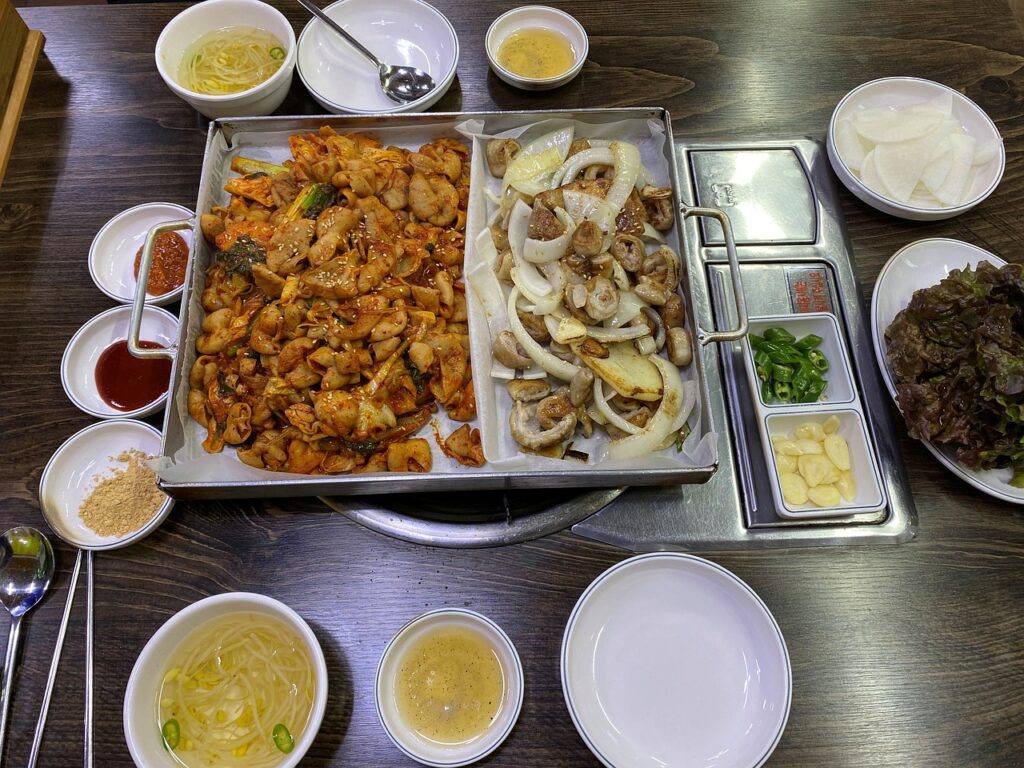
Gopchang is often served directly from the grill, accompanied by dipping sauces and vegetables. Common sauces include sesame oil with salt, chili paste, or soy-based mixtures. Lettuce wraps, or ssam, are popular for combining the meat with garlic, chili, and rice. This method enhances flavor while balancing the richness of the intestines. Side dishes, or banchan, such as kimchi, bean sprouts, and pickled radish, complement the savory taste. Some restaurants provide grilled mushrooms, onions, or peppers alongside the Gopchang. Drinking beer or soju is a common pairing. The beverage choice complements the bold flavors and fat content. Presentation on sizzling plates adds visual appeal and excitement. Sharing the dish in groups emphasizes communal dining. The preparation and serving encourage interaction and appreciation of the food. Traditional methods of eating Gopchang emphasize both taste and social connection. Modern variations include pre-marinated options for convenience, but authentic experiences focus on fresh grilling and communal enjoyment.
Gopchang’s versatility allows it to be enjoyed in various settings. Street food stalls, restaurants, and home cooking all showcase this dish. The combination of grilled meat, fresh vegetables, and sauces creates a balanced meal. Its preparation reflects respect for ingredients and culinary expertise. Diners often experiment with different wraps and seasoning combinations. This personalization enhances the dining experience. The dish remains a highlight of Korean barbecue culture, emphasizing bold flavors, textures, and interactive eating. Gopchang continues to attract both locals and visitors seeking authentic Korean cuisine.
5. Cultural Significance and Conclusion
Gopchang is more than just a dish; it represents Korean culinary tradition. Its preparation requires skill, patience, and attention to detail. The dish emphasizes communal eating and social connection. Sharing Gopchang strengthens relationships and fosters hospitality. Its unique flavors reflect Korea’s bold culinary identity. The dish has gained popularity among tourists seeking authentic food experiences. It exemplifies traditional barbecue techniques and creative use of ingredients. Gopchang continues to thrive in modern Korean cuisine. Restaurants preserve its cultural relevance through authentic preparation and presentation. Enjoying the dish provides both taste satisfaction and cultural insight. Gopchang remains a treasured part of Korea’s food heritage. It celebrates flavor, texture, and the art of Korean grilling.