1. Introduction to Gukbap
Gukbap is a traditional Korean dish consisting of hot soup served with rice. It is a staple comfort food in Korean cuisine. The dish provides warmth and nourishment, making it popular year-round, especially during colder seasons. Gukbap combines various ingredients, including meats, vegetables, and spices, resulting in a rich, flavorful broth. Each region in Korea offers its unique version, reflecting local tastes and ingredients. Historically, Gukbap served as an affordable and filling meal for workers and travelers. Today, it remains a beloved dish in both restaurants and homes. The combination of rice and soup allows for a satisfying and balanced meal. Gukbap’s preparation can range from simple, quick recipes to elaborate, slow-cooked versions. The dish exemplifies the harmony between texture, flavor, and nutrition. Its popularity endures due to its comforting qualities and cultural significance. Many Koreans consider Gukbap a nostalgic dish, reminiscent of traditional family meals. It continues to be an essential part of Korea’s culinary identity.
2. Ingredients and Preparation
Gukbap is prepared using a variety of ingredients depending on the type. Commonly, beef, pork, or seafood is used to make a flavorful broth. Vegetables such as green onions, garlic, and mushrooms enhance the depth of flavor. Seasonings like soy sauce, salt, pepper, and fermented pastes are often included. Rice is cooked separately or directly added to the broth. Some variations include noodles or rice cakes for added texture. The soup is simmered to extract maximum flavor from the ingredients. Careful preparation ensures a balanced taste and satisfying aroma. Gukbap can be garnished with kimchi, chili, or sesame seeds. The dish emphasizes the quality and freshness of ingredients. Cooking methods may vary between slow simmering and quick boiling. Traditional recipes often require patience and attention to detail. The result is a rich, hearty soup that nourishes both body and soul. The careful combination of ingredients defines the essence of Gukbap.
3. Regional Variations and Flavor Profile
Different regions in Korea offer unique variations of Gukbap, each reflecting local culinary traditions. In Busan, milder seafood-based versions are common, emphasizing freshness and subtle flavors. Jeonju is known for beef-based Gukbap with a deep, savory broth. Some areas prefer spicy versions, adding chili and kimchi to enhance the heat. The flavor profile balances rich broth, tender meat, and soft rice. Gukbap can be slightly salty, umami-rich, or mildly seasoned depending on regional preferences. Each variation offers a unique texture, combining the softness of rice with the chewiness of meat. Broths vary from clear to thick and hearty, providing diversity in taste and presentation. Gukbap can also include offal, tripe, or pork bones to enrich flavor. The dish may be garnished with green onions, sprouts, or pickled vegetables for added freshness. Diners enjoy the harmonious blend of textures, flavors, and temperatures. Gukbap’s versatility allows it to suit different palates and occasions. Each bowl represents the careful balance between taste, tradition, and nourishment.
The regional adaptations also demonstrate Korea’s culinary creativity and respect for local ingredients. Some restaurants offer signature versions with unique broths. Street vendors often serve affordable, quick Gukbap for on-the-go meals. Each style provides insight into local culture and eating habits. Diners can explore a variety of flavors, from mild and soothing to bold and spicy. Gukbap exemplifies the diversity within traditional Korean cuisine. The adaptability of ingredients and cooking methods ensures that every version maintains its core identity. The balance of rice, soup, and seasonings creates a satisfying and memorable eating experience. Overall, regional variations of Gukbap enhance its appeal and demonstrate its cultural significance. The dish remains a versatile and cherished part of Korean food culture.
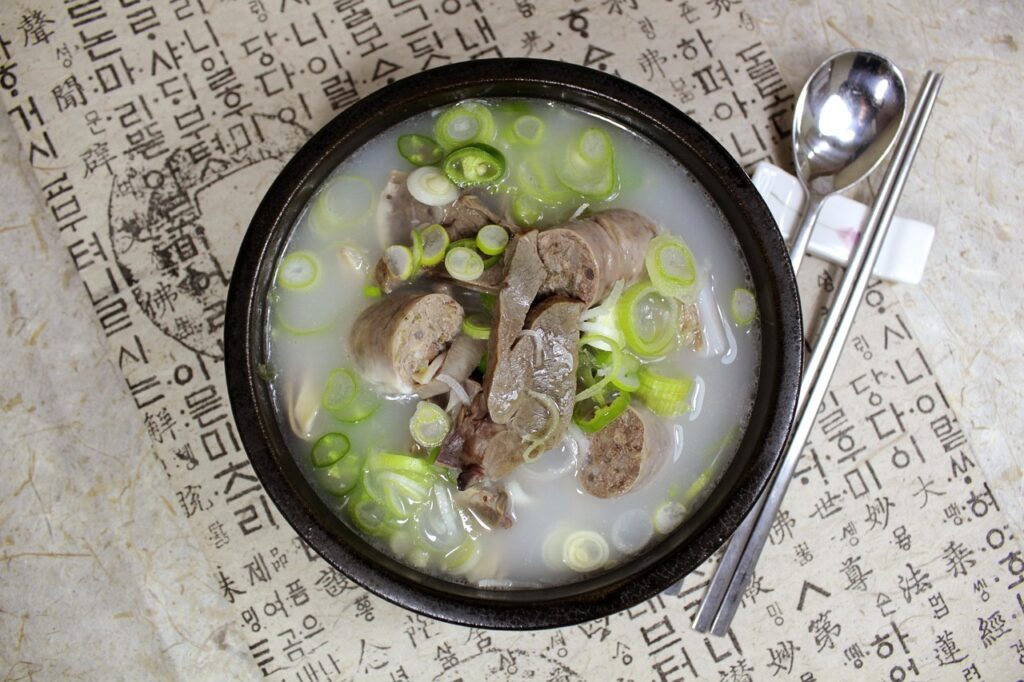
4. Serving Suggestions and Pairings
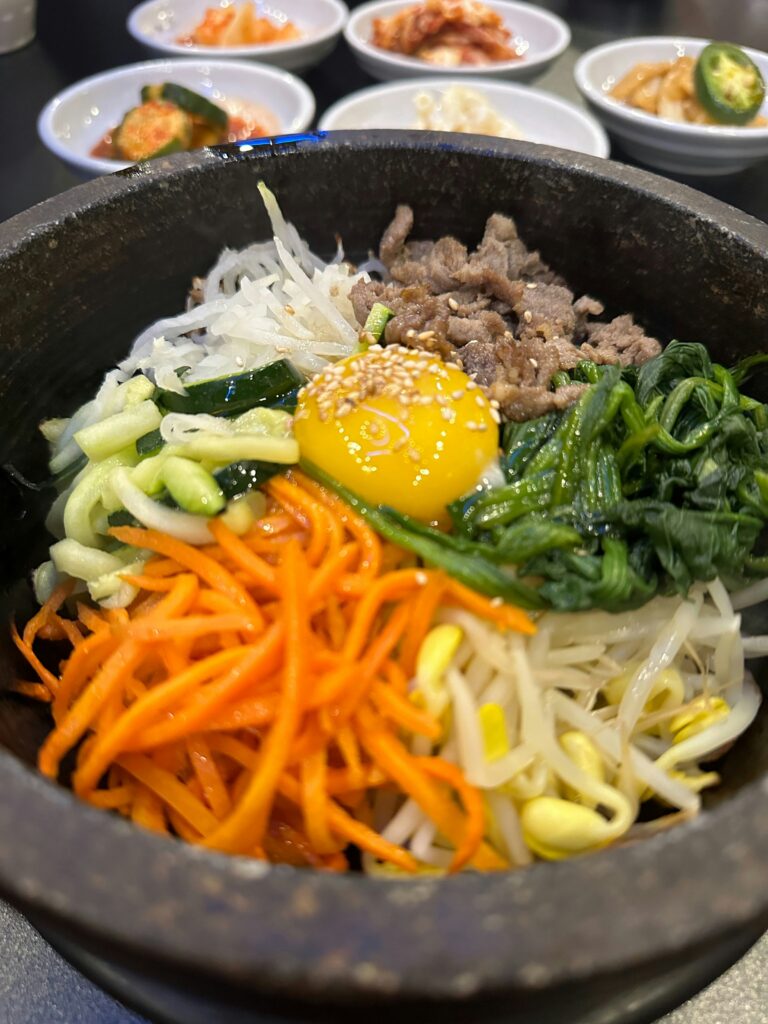
Gukbap is typically served hot with rice either in the soup or on the side. Common accompaniments include kimchi, pickled vegetables, and fresh greens. Some diners enjoy adding chili paste or soy sauce for additional flavor. It is often paired with side dishes that balance richness, such as lightly seasoned vegetables. Gukbap can be enjoyed as a hearty breakfast, lunch, or dinner. Many restaurants provide bowls that allow diners to mix rice and broth easily. Hot stone bowls or clay pots are sometimes used for presentation. Drinking barley tea or soju is a popular combination. The dish encourages communal dining and sharing in casual settings. Garnishes like green onions, sprouts, or sesame seeds enhance both taste and visual appeal. Proper serving emphasizes warmth, flavor, and satisfaction. Gukbap is a versatile dish suitable for solo meals or family gatherings. Its presentation reflects the importance of balance, nutrition, and comfort in Korean cuisine.
For special occasions, some Gukbap recipes include seafood or premium meats. These versions offer a richer flavor and elaborate presentation. Diners can adjust seasoning to taste, adding condiments or sauces. Traditional Gukbap highlights the harmony between ingredients and broth. Its combination of textures and flavors satisfies both casual eaters and culinary enthusiasts. Enjoying Gukbap provides a full sensory experience, blending aroma, taste, and warmth. The dish continues to be celebrated for its simplicity and depth. Its adaptability makes it an enduring favorite across generations. Gukbap embodies the essence of home-cooked comfort in Korean food culture.
5. Cultural Significance and Conclusion
Gukbap holds cultural importance as a staple comfort food in Korea. Its history reflects affordable, nourishing meals for workers and travelers. The dish represents warmth, community, and tradition. Sharing Gukbap strengthens social bonds and celebrates culinary heritage. Its versatility and regional variations demonstrate Korea’s diverse food culture. Today, it is enjoyed in homes, restaurants, and street stalls. Gukbap symbolizes both sustenance and cultural identity. Diners appreciate its balance of flavors, textures, and nutrition. The dish continues to be a cherished part of Korean cuisine. Gukbap exemplifies the harmony of rice, broth, and seasonings. Its enduring popularity reflects both tradition and adaptability. Eating Gukbap offers comfort, nourishment, and a connection to Korean culture.