Introduction
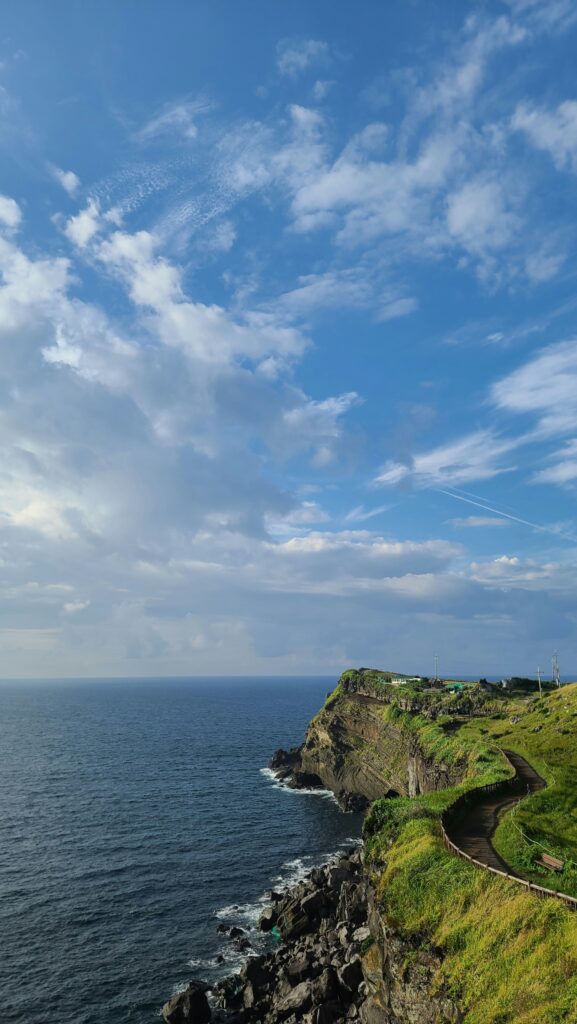
Nestled in the southern seas of South Korea, Jeju Island (Jeju-do) is a volcanic island known for its breathtaking natural beauty, rich culture, and laid-back atmosphere. Recognized by UNESCO as a World Natural Heritage site, Jeju offers travelers a perfect blend of nature, adventure, culture, and cuisine.
Whether you’re seeking peaceful beaches, scenic hiking trails, or delicious local foods, Jeju is a destination that truly has it all.
1. The Natural Wonders of Jeju
Hallasan Mountain
At the heart of Jeju lies Hallasan, South Korea’s tallest mountain (1,950 m). This dormant volcano offers multiple hiking trails leading to the summit crater, Baengnokdam Lake. On clear days, you can see the ocean from the peak — a view that captures the entire essence of Jeju’s beauty.
Seongsan Ilchulbong (Sunrise Peak)
Formed by volcanic eruptions over 100,000 years ago, Seongsan Ilchulbong is one of Jeju’s most iconic landmarks. Many visitors hike to the top early in the morning to watch the spectacular sunrise — a truly unforgettable experience.
Manjanggul Lava Tube
Stretching over 13 kilometers, this lava tube is one of the longest in the world. Inside, you’ll find stunning lava stalactites, columns, and tunnels that reveal Jeju’s volcanic past.
Beaches
- Hyeopjae Beach – White sands and emerald waters perfect for swimming and snorkeling.
- Hamdeok Beach – Calm, shallow waters ideal for families.
- Jungmun Saekdal Beach – Popular among surfers and photographers.
Waterfalls
Jeju is also home to beautiful waterfalls like Cheonjiyeon, Cheonjeyeon, and Jeongbang, the latter being one of the few waterfalls in the world that falls directly into the sea.
2. Culture and Heritage
Haenyeo – The Legendary Women Divers
Jeju’s Haenyeo (sea women) are UNESCO Intangible Cultural Heritage icons. These incredible women, some over 70 years old, dive without oxygen tanks to collect abalone, seaweed, and shellfish. Their courage and independence represent Jeju’s resilient spirit.
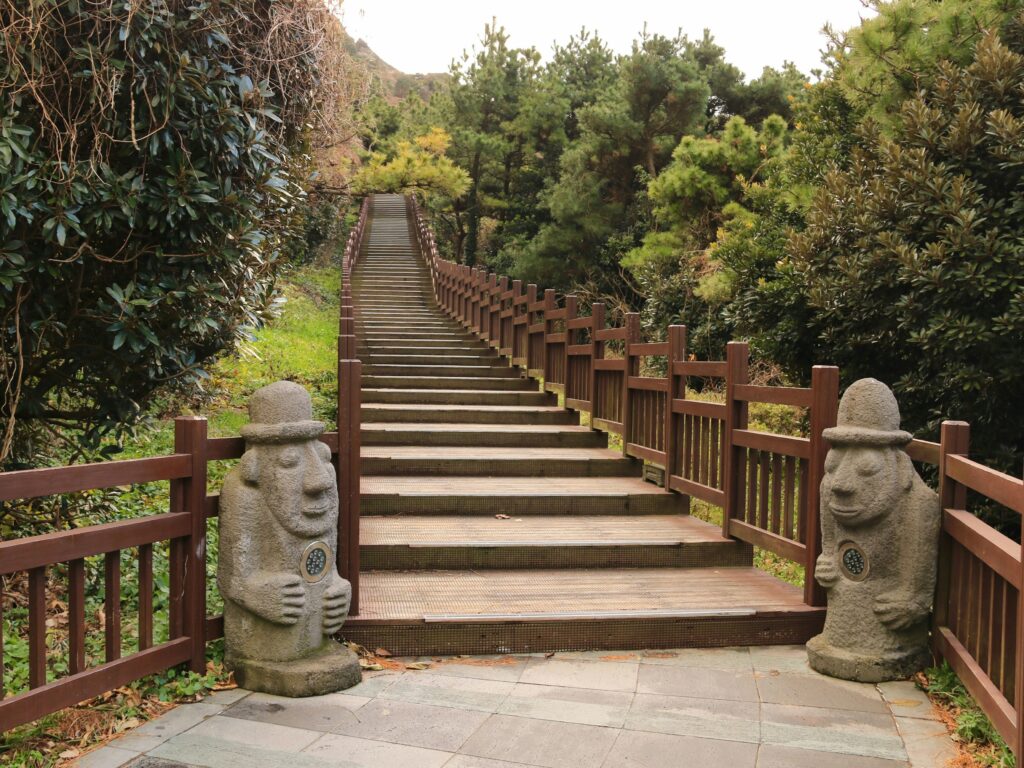
Dol Hareubang – Stone Grandfathers
You’ll find these large volcanic stone statues all around the island. They are believed to protect against evil spirits and bring fertility and luck.
Jeju Folk Village Museum
This open-air museum recreates Jeju’s traditional homes and lifestyle, showing how islanders lived centuries ago — from black stone houses to traditional farming tools.
Jeju Dialect
Jeju has its own unique dialect that differs significantly from standard Korean. Even native Koreans often find it difficult to understand, making it an interesting linguistic treasure.
3. The Flavors of Jeju
Jeju Black Pork (Heukdwaeji)
Juicy, tender, and slightly smoky, Jeju black pork is one of the island’s most famous dishes. Locals grill it over charcoal and eat it with fresh vegetables and Jeju-style dipping sauces.
Abalone Dishes
Abalone porridge (Jeonbokjuk) and grilled abalone are must-tries for seafood lovers.
Tangerines (Gamgyul)
Jeju’s volcanic soil and mild climate make it perfect for growing sweet tangerines. You can buy them fresh at roadside stands or visit tangerine farms to pick your own.
Green Tea
Visit the O’sulloc Tea Museum to learn about Jeju’s tea culture and enjoy matcha desserts while overlooking vast green tea fields.
4. Festivals and Events
- Jeju Fire Festival (March): Celebrates old farming traditions with massive fire shows and cultural performances.
- Cherry Blossom Festival (April): Streets and parks glow pink with blooming cherry trees.
- Tangerine Festival (December): Visitors can experience picking and tasting Jeju’s signature fruit.
- Haenyeo Festival (September): A tribute to the women divers, featuring performances and seafood tastings.
5. Activities and Adventures
- Jeju Olle Trail: A network of 26 scenic walking paths circling the island — perfect for nature enthusiasts.
- Horseback Riding: Jeju is known for its native ponies; several ranches offer riding experiences.
- Scuba Diving and Snorkeling: Explore the island’s coral reefs and marine life.
- Paragliding: Fly over beaches and cliffs for breathtaking aerial views.
- ATV and Zipline Adventures: Available around Seogwipo and Hallim areas.
6. Where to Stay
- Luxury Resorts: Shilla Jeju, Lotte Hotel Jeju, and Grand Josun Jeju offer 5-star comfort with ocean views.
- Boutique Hotels: Small, stylish accommodations near Aewol or Seongsan for couples and solo travelers.
- Guesthouses & Pensions: Affordable options with friendly hosts, often offering home-cooked breakfast.
7. Travel Tips
- Best Time to Visit:
- Spring (April–June): Flowers and mild weather.
- Autumn (September–November): Clear skies and cool breezes.
- Getting There:
- 1-hour flight from Seoul (Gimpo Airport) or Busan.
- Ferries are also available from Mokpo or Wando.
- Getting Around:
- Renting a car is the best option. Public buses are available but less convenient for remote spots.
- Currency & Payment:
- Korean Won (₩). Most places accept cards, but small vendors may prefer cash.
- Language:
- Basic English is understood in tourist areas. Knowing a few Korean phrases can be helpful.
8. Why Jeju is Special
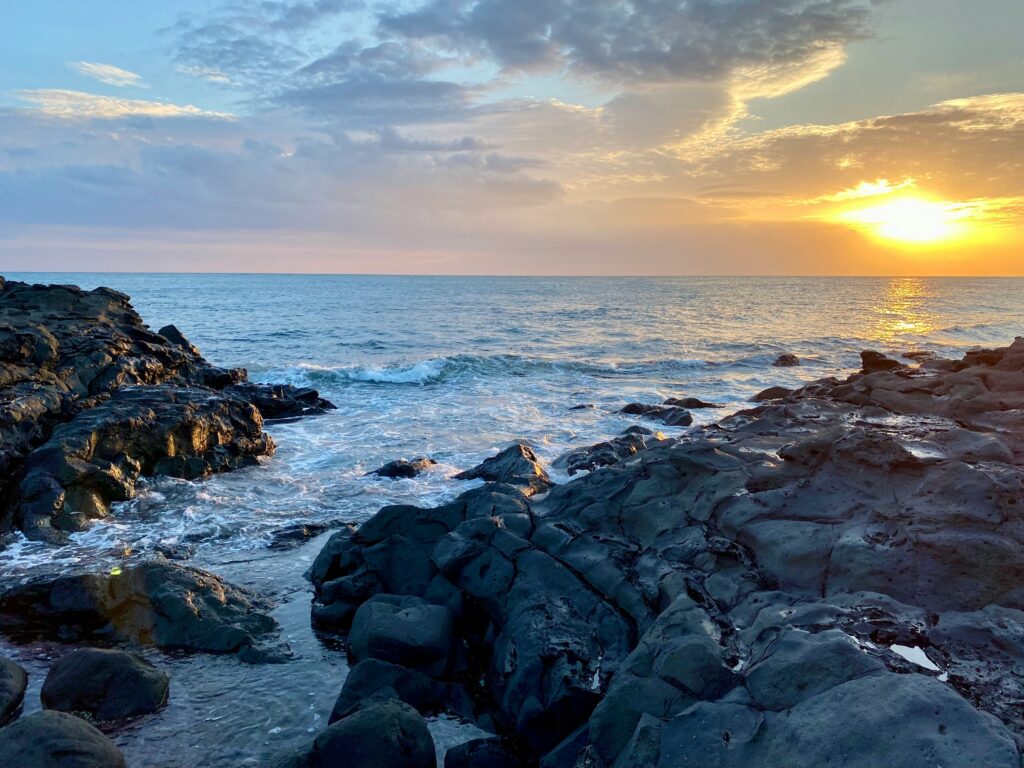
Jeju Island is more than just a travel destination — it’s a place where nature, culture, and people coexist beautifully. Every corner of the island tells a story: from the lava-formed cliffs to the songs of the Haenyeo, from the smell of tangerine orchards to the peaceful trails that circle its shores.
Whether you’re hiking Hallasan, sipping green tea in O’sulloc, or watching the sunrise from Seongsan Ilchulbong, Jeju will leave you with memories that last a lifetime.
Final Thoughts
Jeju Island is the kind of place where time slows down — where you can feel the ocean breeze, taste the volcanic soil’s richness, and reconnect with nature. It’s not just Korea’s favorite getaway; it’s a reminder of how beautiful our planet can be.