Introduction to Kimchi Jjigae
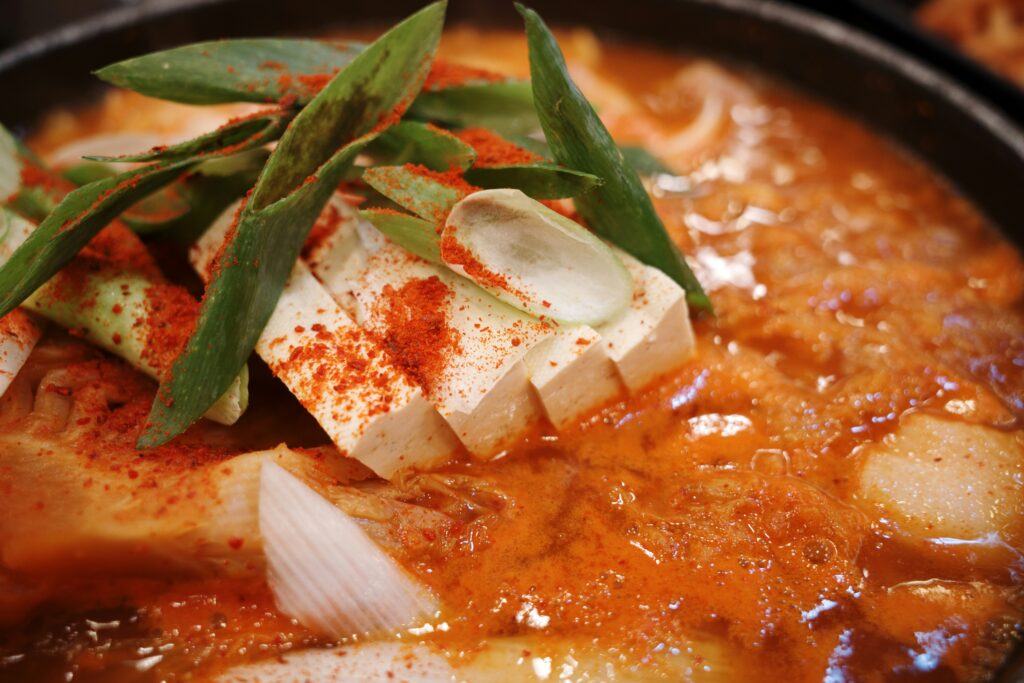
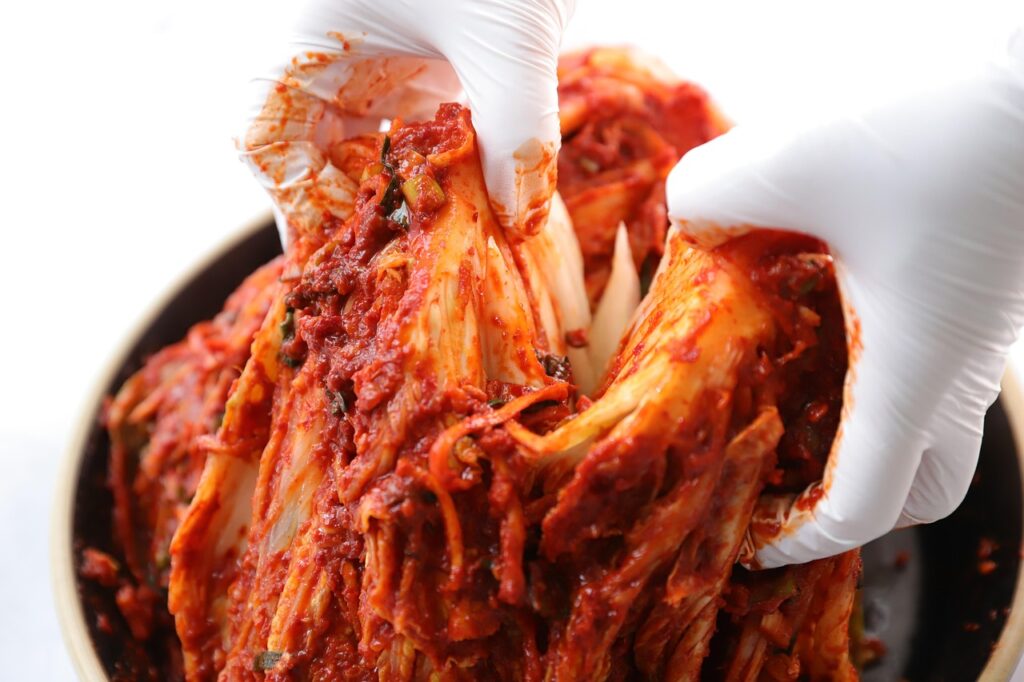
Kimchi Jjigae, often regarded as Korea’s ultimate comfort food, is a spicy stew made primarily with fermented kimchi, pork, tofu, and vegetables, simmered together to create a rich, tangy, and flavorful broth that warms both body and soul. This dish embodies the essence of Korean home cooking, often served as a daily staple alongside rice and other side dishes, reflecting the country’s culinary traditions and communal dining culture. Its origins trace back centuries, highlighting the central role of kimchi in Korean cuisine and the ingenuity of using aged kimchi to enhance flavor. The dish varies by region, family, and personal preference, but the core ingredients and method remain consistent. Kimchi Jjigae not only offers a sensory experience with its aroma, spiciness, and depth of taste, but also provides nutritional benefits, including probiotics from fermented kimchi and protein from tofu and meat. Exploring this stew gives a window into Korean daily life, tradition, and culinary creativity.
History and Cultural Significance
The history of Kimchi Jjigae is deeply intertwined with Korea’s agricultural and culinary evolution, dating back to when households relied on fermented vegetables for sustenance during harsh winters. Traditionally, leftover kimchi that had matured in flavor would be transformed into a stew by adding protein sources like pork, seafood, or tofu, along with seasonings and aromatics, resulting in a hearty and satisfying meal that minimized waste while maximizing taste. Over centuries, Kimchi Jjigae has evolved into a beloved national dish, appearing on both home tables and restaurant menus, symbolizing Korean identity and comfort. Its preparation and sharing reflect cultural values of family, community, and the importance of balance between flavors. Regional variations showcase local ingredients and preferences, with some areas favoring spicier broths or additional seafood, while others emphasize meat or vegetarian versions. The dish’s integration into everyday life and festive occasions highlights its enduring significance. Kimchi Jjigae represents not only culinary tradition but also the adaptability, resourcefulness, and warmth of Korean culture, making it more than just food, but a cultural emblem of heritage and communal living.
Ingredients and Preparation
Preparing Kimchi Jjigae begins with selecting high-quality ingredients, starting with well-fermented kimchi, which serves as the flavor foundation of the stew, providing a balance of sourness, spiciness, and umami. Protein options typically include pork belly, pork shoulder, or sometimes seafood, such as tuna or clams, depending on regional and personal preferences, while tofu is added for texture and nutritional balance. Aromatics like garlic, onions, and scallions are essential, contributing depth and fragrance, and additional seasonings like gochugaru (Korean red pepper flakes), gochujang (red chili paste), soy sauce, and sesame oil enhance the stew’s complexity. The cooking process often begins by stir-frying kimchi and pork to release flavors, followed by simmering in water or broth to develop a rich and cohesive taste. Vegetables such as zucchini, mushrooms, or Korean radish may be incorporated to add texture and nutrients. Adjusting the seasoning according to the spiciness and saltiness of the kimchi ensures a harmonious flavor profile. Once cooked, the stew is served piping hot in an earthenware pot, often accompanied by steamed rice and banchan, providing a complete and comforting Korean meal. Mastering the balance of ingredients, timing, and seasoning is key to achieving the authentic taste of Kimchi Jjigae that warms the heart and satisfies the palate.
Serving and Eating Kimchi Jjigae
Kimchi Jjigae is traditionally served in a communal pot, allowing diners to share directly from the stew, fostering a sense of togetherness and conviviality that is central to Korean dining culture. It is commonly accompanied by steamed rice, which helps balance the stew’s spiciness, and a variety of banchan, or side dishes, such as pickled vegetables, seasoned greens, and fermented condiments, which enhance the meal’s complexity and provide contrasting flavors. Eating Kimchi Jjigae involves a rhythm of savoring the hot, flavorful broth along with tender meat, soft tofu, and vegetables, creating a layered sensory experience. Many people enjoy it during colder months for warmth and comfort, but it is also popular year-round due to its nutritional value, rich taste, and ease of preparation. Restaurants may serve variations with additional ingredients, such as instant noodles, seafood, or extra vegetables, offering customization according to taste. Kimchi Jjigae is not only nourishing but also symbolic, representing home cooking, family gatherings, and the preservation of traditional Korean flavors in modern cuisine.
Dining etiquette includes using chopsticks for solid ingredients and spoons for the broth, while respecting the communal aspect of the meal. It is common to refill the stew from the pot as needed, emphasizing sharing and interaction among diners. Many Koreans consider it an essential comfort food during stressful or cold periods, providing both physical warmth and emotional reassurance. Enjoying Kimchi Jjigae is a multisensory experience, encompassing aroma, texture, spice, and flavor depth, reinforcing its status as a culinary icon of Korean culture.
Health Benefits and Modern Adaptations
Kimchi Jjigae is not only delicious but also offers significant health benefits due to its core ingredient, fermented kimchi, which is rich in probiotics that support gut health and digestion. The inclusion of protein sources, such as pork or tofu, provides essential amino acids, while vegetables contribute fiber, vitamins, and minerals, making it a balanced and nutritious meal. Modern adaptations of Kimchi Jjigae have emerged, including vegetarian or seafood-based versions, as well as instant or pre-packaged options for convenience, catering to contemporary lifestyles while preserving traditional flavors. Chefs may experiment with additional spices, herbs, or fusion ingredients to enhance the taste and appeal to global audiences. The stew’s versatility allows it to be served in casual home settings, at restaurants, or even in ready-to-eat formats, demonstrating its enduring popularity and adaptability. Its combination of flavor, nutrition, and cultural significance ensures that Kimchi Jjigae remains a staple of Korean cuisine, bridging the gap between traditional cooking and modern culinary innovation, providing nourishment, satisfaction, and a taste of Korea for generations to come.