Introduction to Korean Street Food
Korean street food offers one of the most vivid and approachable ways to experience the country’s culinary culture, blending bold flavors, quick preparation, and a lively market atmosphere that appeals to both locals and travelers. Whether you are wandering through a traditional market, exploring a modern food alley, or strolling past late-night vendors, the scents of sizzling ingredients, simmering broths, and freshly made snacks create an immersive environment that encourages exploration. This guide provides an overview of essential dishes, practical tips for navigating food stalls, and cultural insights to help you enjoy street dining with confidence. By understanding how to communicate simple orders, recognize popular items, and choose trusted vendors, visitors can fully appreciate the creativity and warmth that define Korea’s food culture. Ultimately, street food serves not only as a quick meal but also as an accessible gateway to understanding everyday Korean life.
Essential Dishes to Try
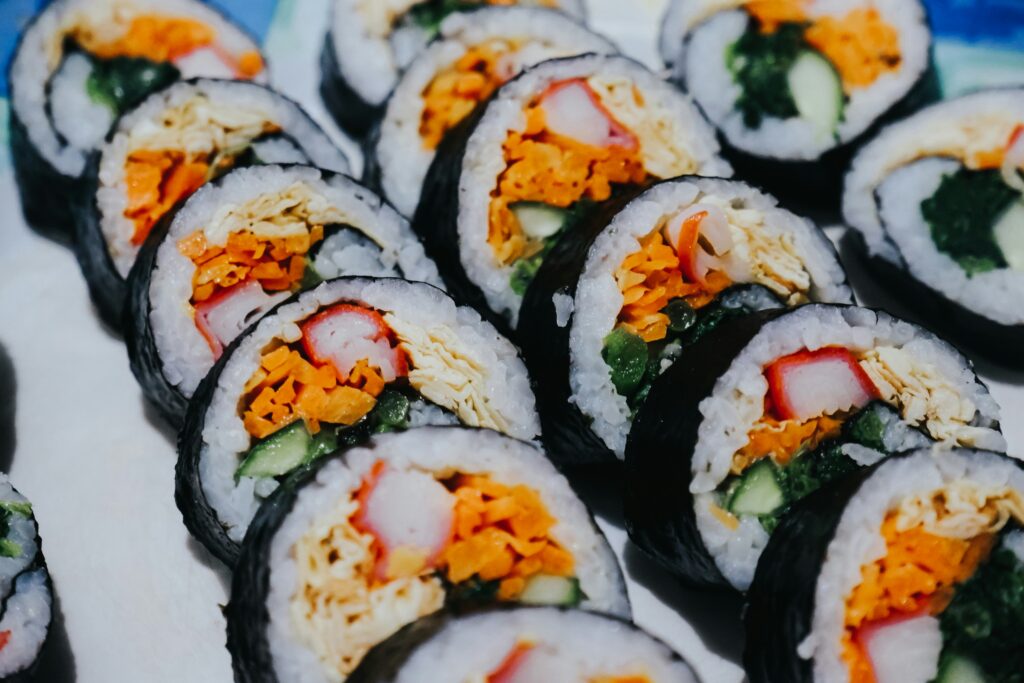
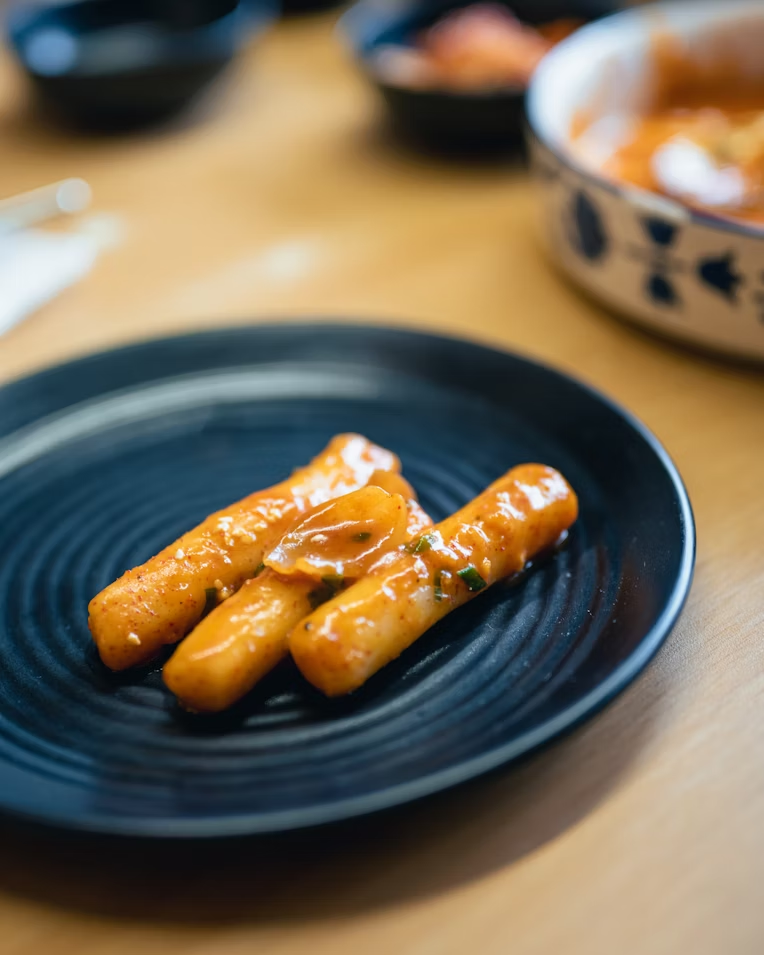
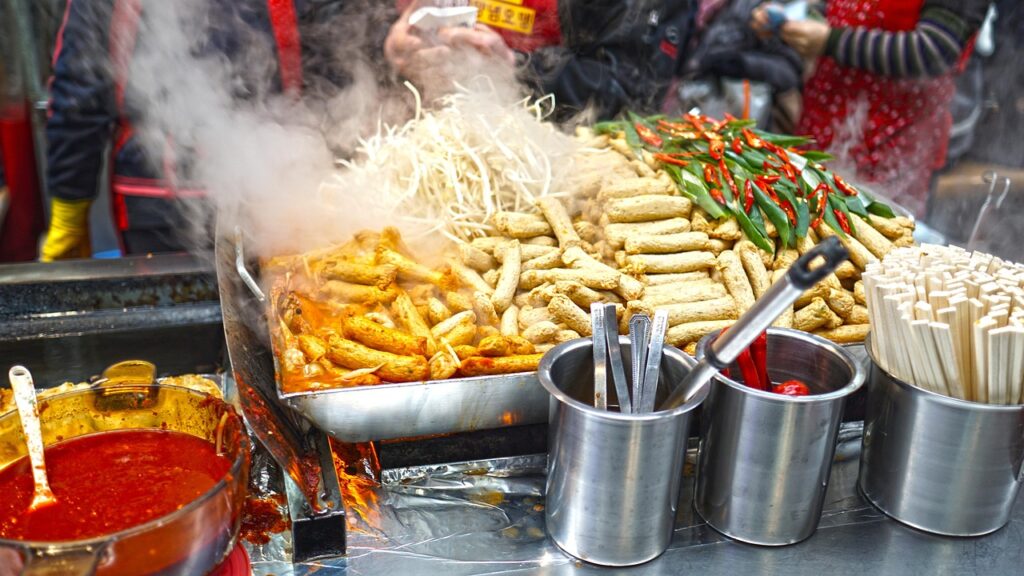
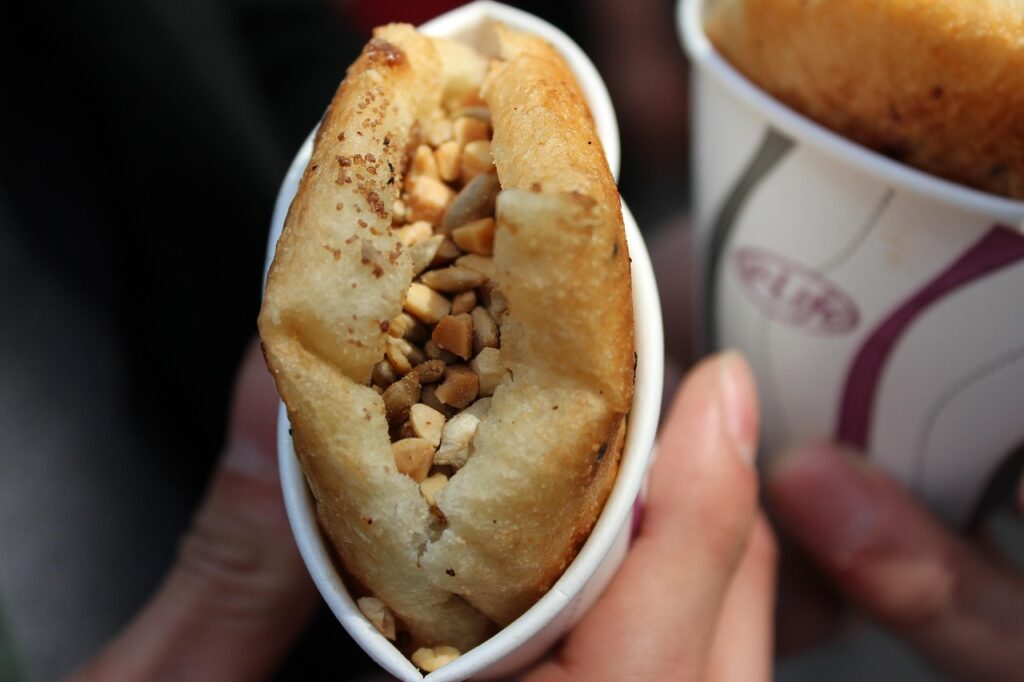
No Korean street food guide is complete without mentioning tteokbokki, the classic dish of chewy rice cakes simmered in a spicy-sweet red pepper sauce that delivers both heat and comfort. Nearby, you will often find odeng or eomuk, skewered fish cakes served in a light broth that warms you during cooler months and offers a mild contrast to spicier snacks. Hotteok, a crispy pancake filled with brown sugar and nuts, provides a delightful sweet option, especially in winter markets. Gimbap, a rice roll wrapped in seaweed and filled with vegetables, eggs, or meats, remains a popular grab-and-go meal suited for travelers in a hurry. For those who enjoy fried foods, twigim offers an assortment of tempura-style vegetables, dumplings, and seafood paired with tangy dipping sauces, while dakkochi delivers tender grilled chicken skewers brushed with a savory glaze. These dishes represent the heart of Korean street flavors.
Where to Find the Best Street Food
Many visitors begin their street food journey in well-known marketplaces and nightlife areas where numerous stalls operate side by side, creating a lively scene filled with color, sound, and aroma. Traditional markets often feature vendors who have perfected their recipes over decades, offering familiar dishes prepared with consistent quality and visible care. Watching food prepared in front of you—rolling gimbap, frying twigim, or stirring a bubbling pot of tteokbokki—helps you identify stalls that value freshness and hygiene. While major markets are reliable, smaller neighborhood alleys also offer hidden gems where vendors experiment with modern twists, seasonal ingredients, and fusion styles. These lesser-known spots are ideal for travelers who prefer discovering unique flavors away from crowded areas.
For added guidance, food tours and local recommendations can help you explore confidently, offering curated stops and cultural context that enrich the tasting experience. Online maps, blogs, and social platforms frequently highlight trending stalls, making it easier to find popular items during your visit. Regardless of where you go, seek vendors who prepare food to order, maintain clean workspaces, and engage positively with customers. This ensures not only better taste but also a more enjoyable atmosphere. Embracing spontaneous exploration—following aromas, joining lines, or drifting into side streets—often leads to some of the most memorable meals of a trip.
Ordering, Etiquette, and Practical Tips
Ordering at Korean street stalls is usually straightforward, as many vendors allow you to point at menu items or prepared ingredients if you are unsure of the name. Simple Korean phrases such as “hana juseyo” (one please) are polite and effective, though vendors are typically patient with gestures and basic English. Payment methods vary; while cash is widely accepted, many markets now support cards and mobile apps, so carrying small bills and a backup payment method is useful. Once you receive your food, step aside to make room for the next customer, maintaining the efficient flow that busy stalls depend on. Shared tables and standing counters are common, and it is polite to keep your space tidy and dispose of waste in designated bins.
Travelers with dietary restrictions can often manage easily by choosing dishes with visible ingredients or asking vendors to omit certain items when possible. If you prefer milder spice levels, most vendors can adjust sauces or provide alternatives upon request. Observing basic hygiene—such as using hand wipes before eating or selecting stalls that prepare food fresh—enhances the experience. Finally, pacing your tasting allows you to try several dishes, which is one of the greatest charms of Korean street food: sampling widely and savoring a variety of flavors in a single outing.
Final Thoughts
Korean street food offers a lively and flavorful introduction to the country’s culinary landscape, blending tradition, creativity, and accessibility in every dish. By approaching vendors with curiosity, following simple etiquette, and exploring both famous markets and small neighborhood stalls, visitors can enjoy a memorable and culturally rich food experience. With an open mind and a willingness to sample widely, your journey through Korea’s street food scene will become a highlight of your travels.