Introduction to Korea’s Signature Flavors
Korean cuisine is celebrated around the world for its bold flavors, diverse textures, and deep cultural roots, making it an essential experience for travelers and food enthusiasts seeking dishes that reflect both tradition and innovation. From spicy stews to sizzling barbecue, each dish showcases a careful balance of seasoning, fermentation, and preparation techniques that have been developed over centuries. Korean meals often emphasize harmony, offering combinations of savory, spicy, sweet, and tangy elements that create memorable dining experiences. Whether enjoyed at a bustling market stall or a traditional restaurant, these dishes provide insight into Korea’s regional variations, seasonal ingredients, and culinary philosophy. As you explore this guide, you will discover must-try meals that represent the heart of Korean food culture and continue to capture global attention for their richness, authenticity, and vibrancy.
Kimchi, Bibimbap, and Korea’s Everyday Essentials
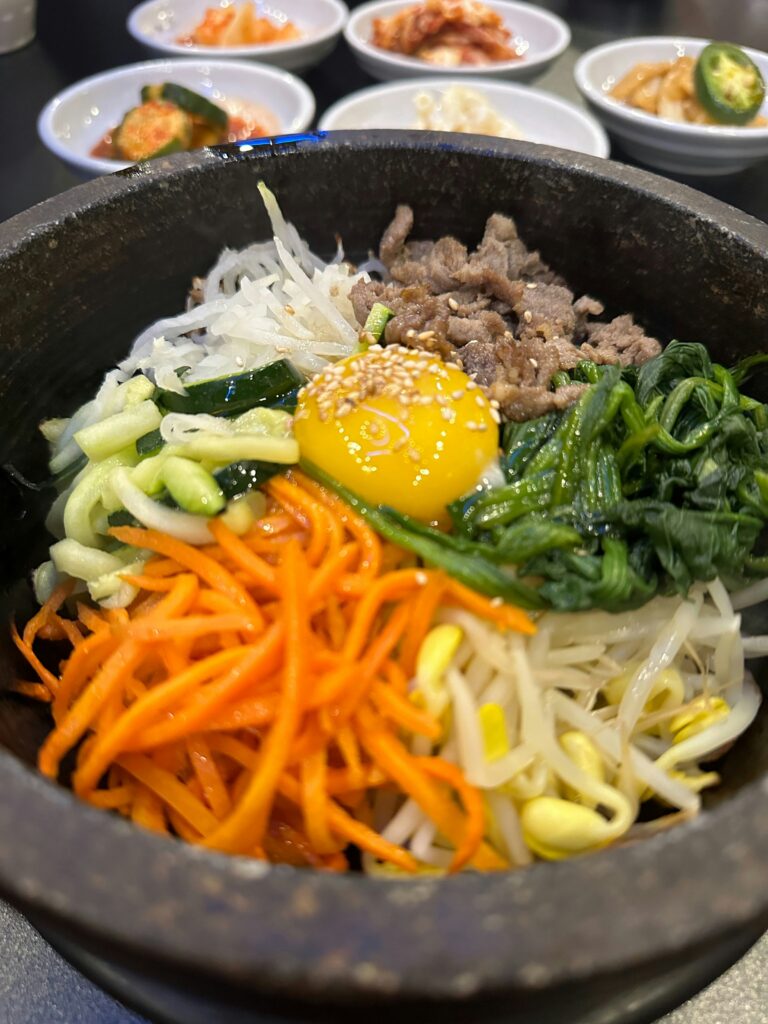
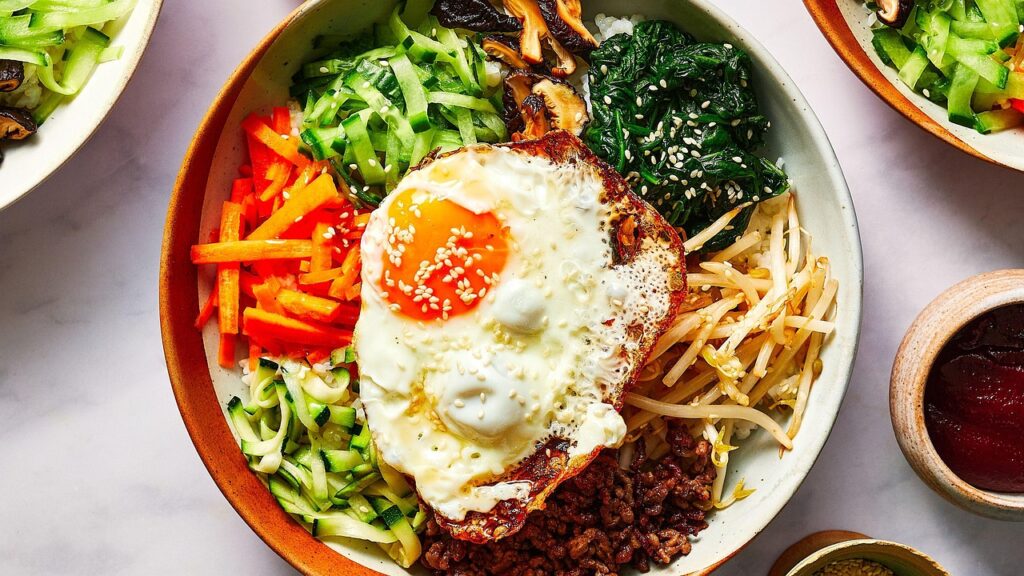
Kimchi stands at the core of Korean cuisine, offering a complex blend of fermented vegetables, chili, and garlic that delivers both nutritional value and a distinctive flavor profile. Served as a side dish at nearly every meal, kimchi varies by region and season, reflecting local ingredients and preferences that influence its level of spice, crunch, and acidity. Alongside kimchi, bibimbap remains one of Korea’s most iconic one-bowl meals, combining rice, seasoned vegetables, a protein option, and a spicy gochujang sauce that is mixed together to create a colorful and balanced dish enjoyed by locals and travelers alike. This harmony of ingredients reflects the Korean principle of eating with both health and aesthetics in mind. As a daily staple found in restaurants and homes across the country, bibimbap continues to represent Korean cuisine’s comforting yet dynamic character.
Korean Barbecue, Bulgogi, and Savory Favorites
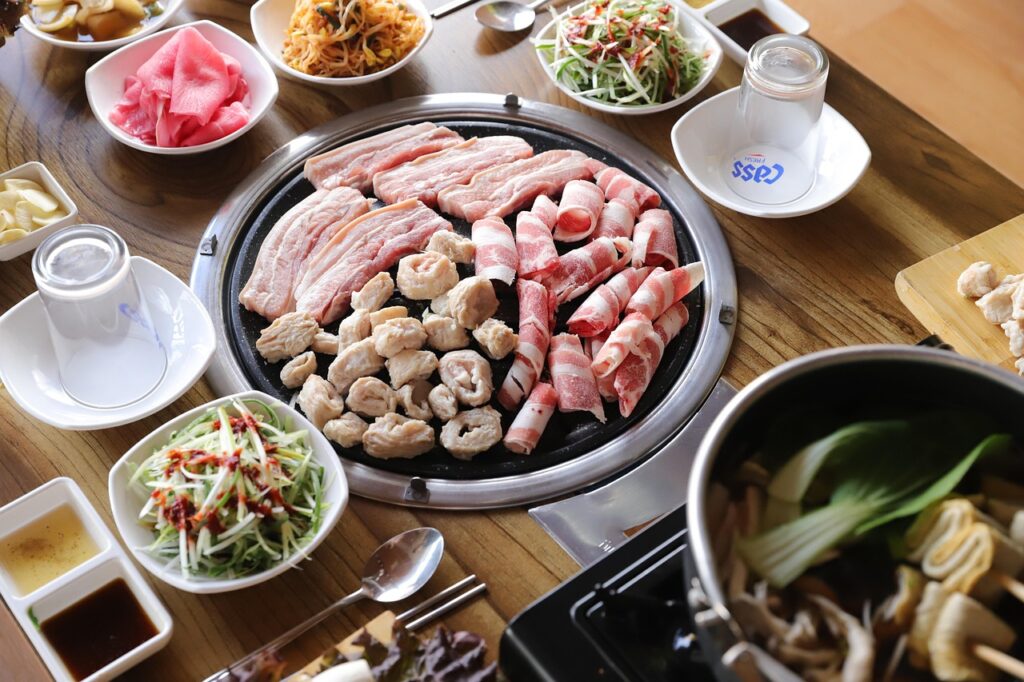
Korean barbecue has gained international fame for its interactive dining style, flavorful marinades, and the communal experience that brings people together around a tabletop grill. Whether cooking thinly sliced beef brisket or marinated pork belly, Korean barbecue emphasizes freshness, allowing diners to select cuts of meat and grill them to their preferred doneness while enjoying an array of complementary side dishes. Bulgogi, one of the most recognized dishes within this category, features tender slices of beef marinated in a blend of soy sauce, sugar, garlic, and sesame oil, creating a savory-sweet combination that appeals to a wide range of tastes. When grilled, bulgogi becomes caramelized and aromatic, making it a favorite at both home gatherings and restaurants. Beyond beef, Korean barbecue also includes options such as marinated chicken, spicy pork, and seasonal vegetables, giving diners a wide selection of flavors. Each meal is enhanced by banchan, the small side dishes that offer pickled vegetables, salads, and light soups, creating a balanced and immersive dining experience.
The communal nature of Korean barbecue highlights the country’s emphasis on shared meals and connection, reinforcing its popularity among visitors who enjoy both flavor and atmosphere. Whether enjoyed in a bustling city restaurant or a local neighborhood spot, the richness of Korean barbecue continues to embody the heart of the country’s hospitality, making it one of the essential dishes that travelers return to time and time again.
Hearty Stews, Comforting Soups, and Traditional Classics
Korean cuisine features an impressive range of stews and soups that deliver comfort, warmth, and bold flavors suitable for any season. Dishes such as kimchi jjigae highlight the deep umami of fermented ingredients, blending aged kimchi with tofu, pork, and vegetables to create a rich broth that balances spice and savoriness. Doenjang jjigae, made with fermented soybean paste, offers earthy flavors and remains a staple in Korean households due to its simplicity, nutrition, and versatility. For those seeking something heartier, sundubu jjigae features silky soft tofu simmered with chili broth, seafood, or meat, resulting in a dish known for its comforting texture and vibrant color.
Beyond stews, traditional soups such as galbitang and samgyetang showcase Korea’s long-standing appreciation for slow-cooked broths. Galbitang, made by simmering beef short ribs for hours, produces a clear yet intensely flavorful soup enjoyed for its tenderness and subtle seasoning. Samgyetang, a ginseng chicken soup, is particularly popular during the summer months as Koreans believe in the practice of eating warm foods to restore energy during hot weather. These dishes highlight Korea’s culinary philosophy of nourishment, balance, and seasonal eating, offering travelers an authentic glimpse into local dining traditions.
Final Thoughts
Korean cuisine offers a rich and diverse range of flavors that reflect the country’s history, culture, and dedication to harmony in every dish. From vibrant kimchi to sizzling barbecue and comforting stews, each meal tells a story that invites travelers to explore deeper and taste widely. Whether you are visiting Korea or discovering its cuisine abroad, these must-try dishes provide a meaningful introduction to one of the world’s most dynamic food cultures.